Engine Coolant Supplier for West Asia
One region, two opposite specifications — an Anatolian winter that reaches −30 °C on one side, a Negev summer above 40 °C on the other.
West Asia splits the specification in a way most suppliers do not plan for. Eastern Anatolia runs one of the hardest winters in the region: Erzurum sits at 1,900 m and drops to around −30 °C, so vehicles there need genuine freeze protection with altitude margin on top. The Israeli Negev and the Jordan Valley run the opposite problem — sustained 40 °C+ heat, dust, and in the valley a below-sea-level pressure that helps rather than hurts. A distributor serving both ends of this region needs two grades on the shelf.
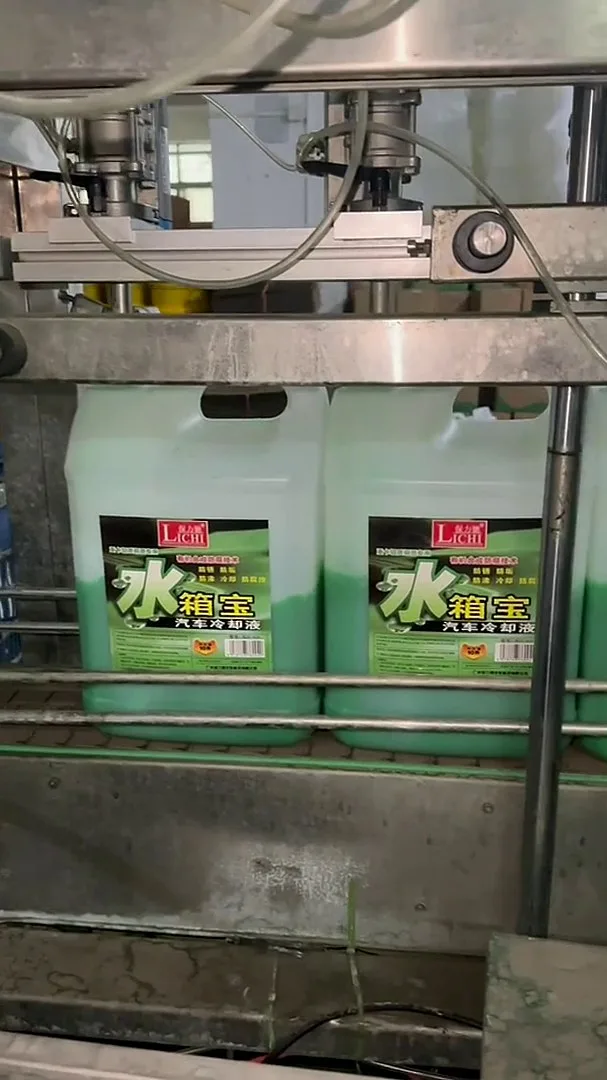
Which grade for which altitude
Türkiye is also an automotive manufacturing country in its own right, with several European OEMs assembling locally. That means a large part of the parc was filled at the factory with a specific organic-acid chemistry, and a top-up product that does not match it creates more problems than it solves. Ask what the vehicle was filled with before recommending a grade — the answer changes what you sell.
| Zone | Altitude | What fails here | Grade to specify |
|---|---|---|---|
| Istanbul, Izmir, Antalya & the coast | Sea level | Mild winters; hot, humid summers | 0 °C to −25 °C |
| Ankara & Central Anatolia | 900–1,050 m | Winter to −15 °C, boiling point ≈ 97 °C, hot dry summers | −25 °C |
| Erzurum, Kars & Eastern Anatolia | 1,750–2,000 m | Winter near −30 °C, boiling point ≈ 94 °C | −45 °C |
| Tel Aviv & the Israeli coastal plain | Sea level | Hot and humid; no frost at any point in the year | 0 °C |
| Negev, Arava & the Jordan Valley | −400 m to 500 m | 40 °C+, heavy dust load; valley pressure slightly above sea level | 0 °C, high boil-over |
| Amman & the Lebanese mountains | 800–1,200 m | Winter frost and occasional snow; cool summers | −25 °C |
What is on the road
- European passenger cars assembled in Türkiye — a large share of the parc is filled with factory organic-acid coolant
- Toyota Hilux and Land Cruiser in Israel and Jordan, on fleet and utility work
- Chinese light commercials entering on price across all four markets
- Heavy trucks on the Anatolian corridors and the Jordanian transit routes
Shipping and loading
- Loading port
- Guangzhou / Shenzhen, China
- Destination
- Mersin and Istanbul (Türkiye), Haifa and Ashdod (Israel), Beirut (Lebanon), Aqaba (Jordan)
- Container plans
- 20GP and 40HQ loading plans issued before you commit
- Lead time
- 15–25 days after deposit, plus 20–30 days transit
Documents and clearance
- SDS in the 16-section GHS format for every formulation
- Certificate of analysis per batch — freeze point, boil point, pH, reserve alkalinity
- Certificate of Origin for preferential duty treatment
- Product data for the destination scheme — Turkish market surveillance, Israeli SII standards, Lebanese and Jordanian import requirements
Each country here runs its own conformity route. Israeli standards are administered by SII and several are mandatory; Türkiye applies TSE standards with its own market surveillance; Lebanon and Jordan differ again. We do not hold these marks and do not claim them. What we do is supply the SDS, batch COA and test data your importer needs, and tell you honestly which of them we can issue before you commit to a container.
Recommended for this market
Matched to the climate above, not the full catalogue.
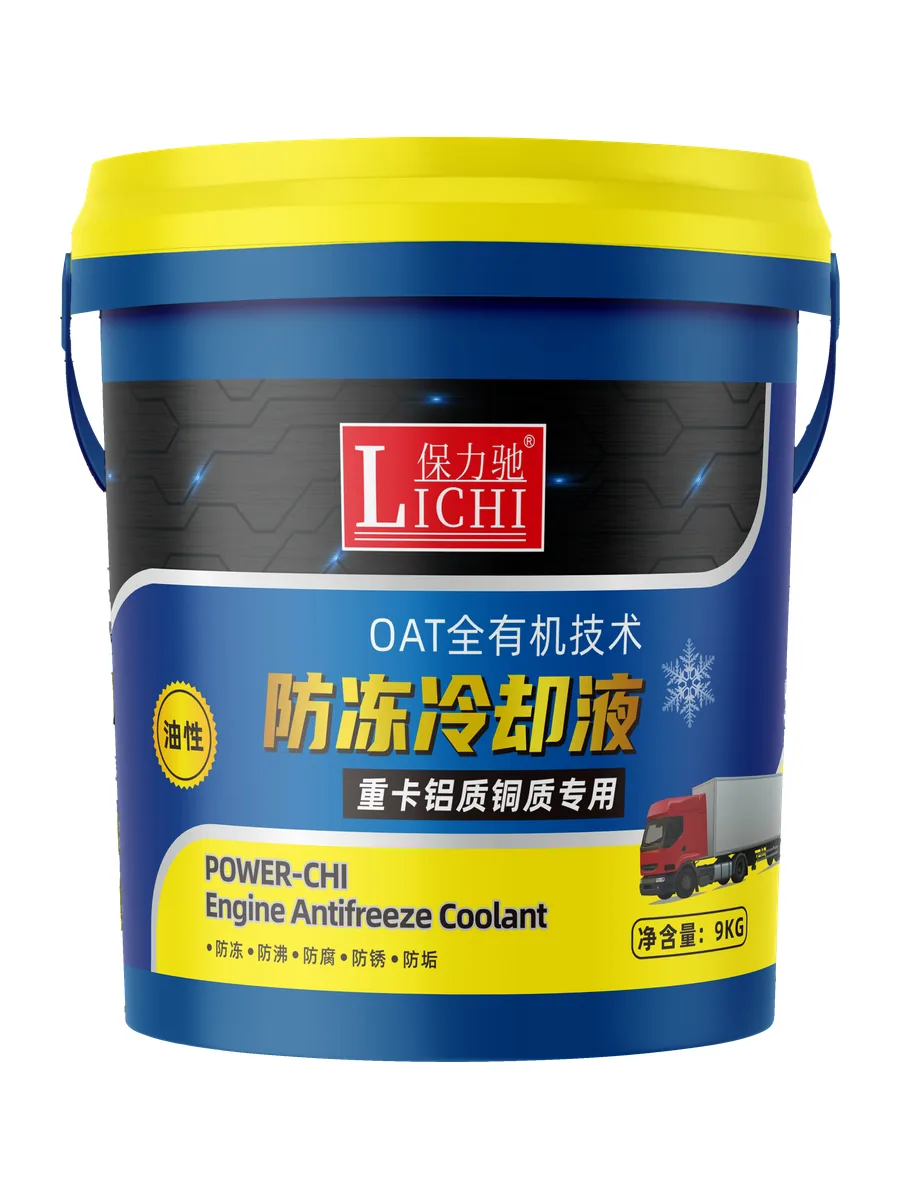 Coolant (Antifreeze)
Heavy-Truck Antifreeze Coolant — 9L
Heavy-duty, aluminium & copper safe
OAT antifreeze engineered for trucks, safe on aluminium and copper systems.
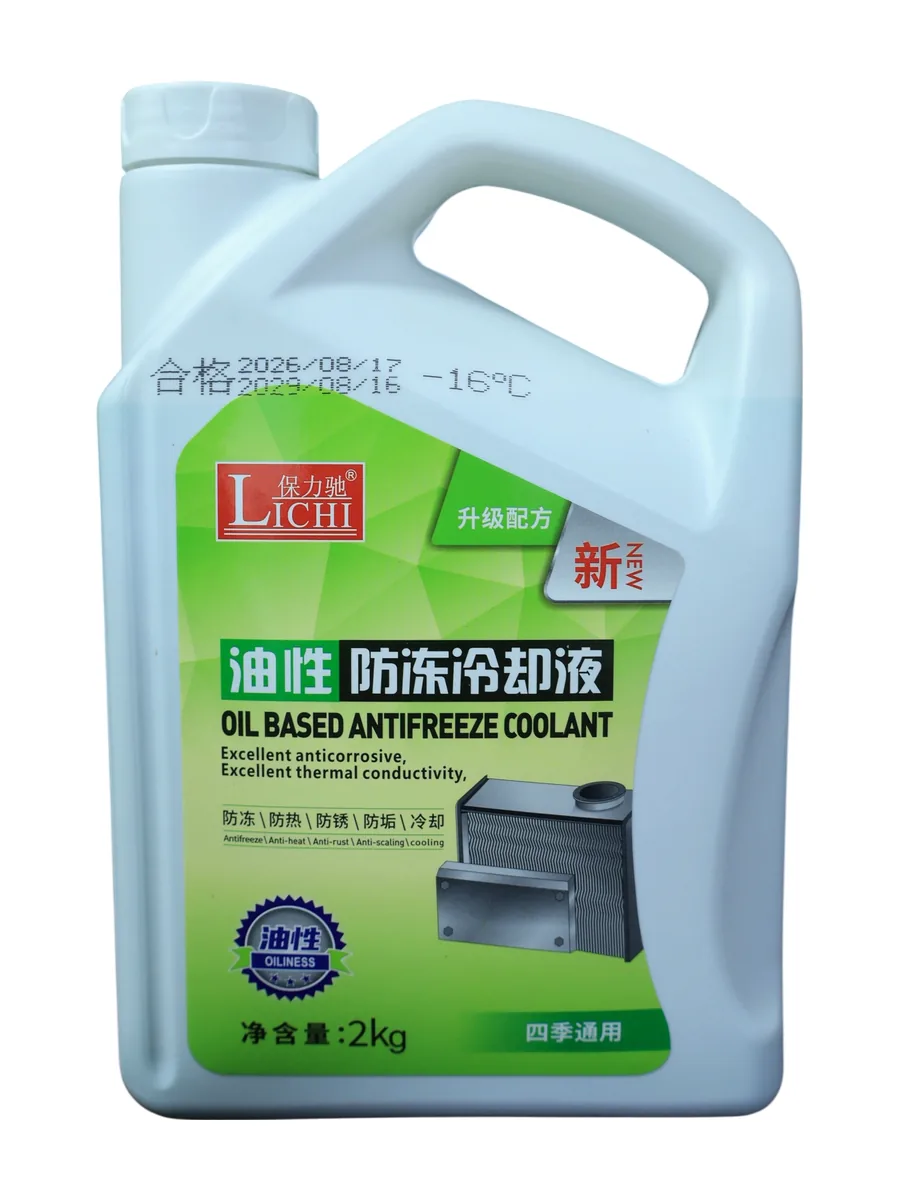 Coolant (Antifreeze)
Oil-Based Antifreeze Coolant — Long-Life
5-year long-life winter protection
Antifreeze coolant rated to -45°C with a 5-year service life.
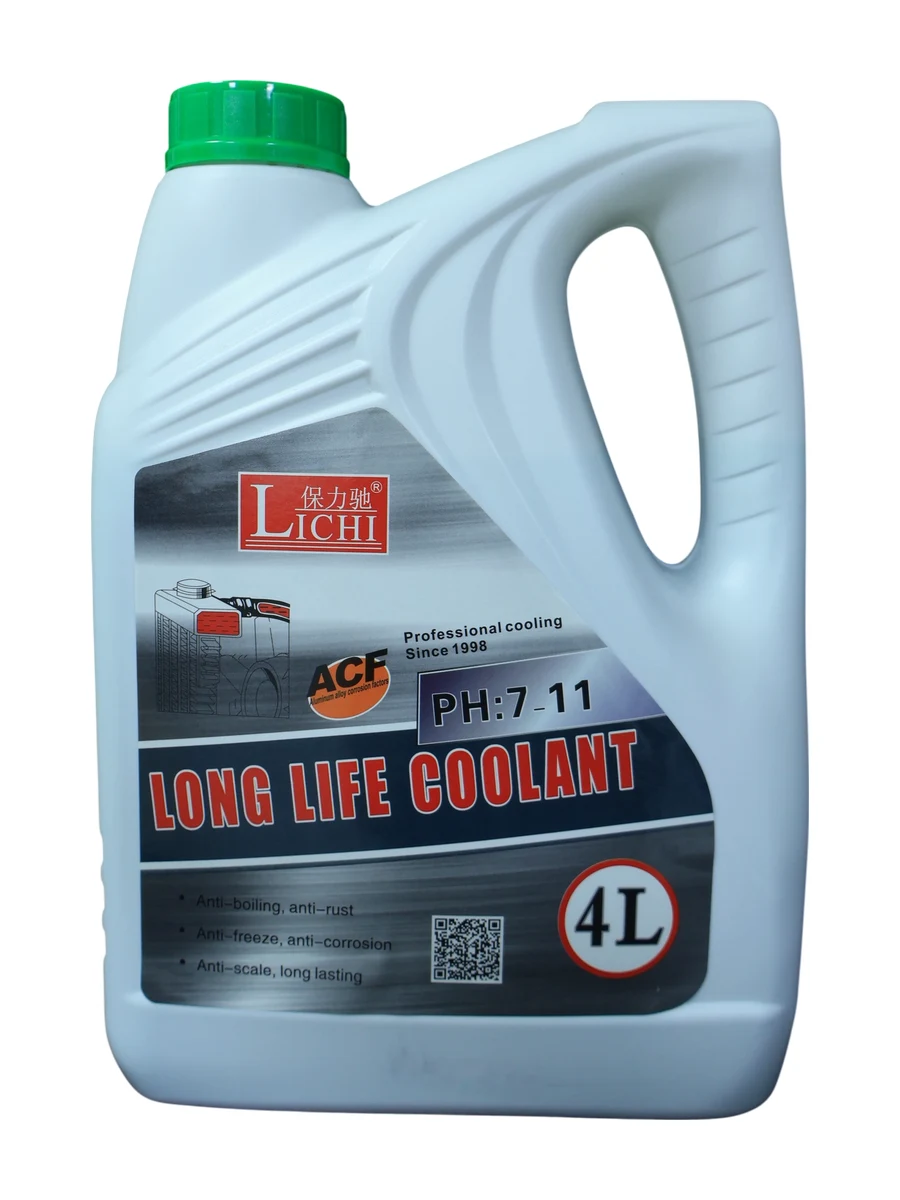 Coolant (Antifreeze)
Long-Life Engine Coolant — 4L Jug
Value 4L size for families & taxis
Long-life coolant in a 4L jug — one fill for most passenger engines, 6 jugs per carton.
Common questions
−45 °C or −25 °C for Türkiye?›
Both, for different cities. Erzurum and Kars need −45 °C; Ankara and Central Anatolia are covered by −25 °C; the Aegean and Mediterranean coast sits between 0 °C and −25 °C. Shipping one grade nationally means either over-paying in Istanbul or failing in the east.
Does Israel need freeze protection?›
No. Tel Aviv and the coastal plain have no frost at any point in the year, and the Negev and Jordan Valley fail from heat and dust instead. The Israeli requirement is boil-over margin and a corrosion package that survives mineral-heavy top-up water.
What if the vehicle came filled with a different chemistry?›
Then say so before you order. Our coolant is a borate–organic acid hybrid; factory fills on European-assembled cars are frequently a different organic-acid package. Mixing families can drop the inhibitor out of the system, so on those vehicles the honest answer is a drain and refill rather than a top-up. We will tell you what our formulation is and what it is not.
What is the minimum order?›
Bulk drums: 100 units. Retail cartons: 600 × 4 L jugs or 1,200 × 2 L bottles. Mixed containers across coolant, brake fluid and washer fluid are accepted.
Send your destination port and volume
We reply with a graded recommendation, a loading plan and a price within one business day.
Other markets
- NigeriaA 0 °C grade built for a market that never freezes — Apapa and Tin Can loading plans, SONCAP paperwork prepared with your agent.
- Kenya, Tanzania & UgandaHigh-altitude formulations for the East African plateau — where boiling point, not freeze point, is what fails first.
- Ghana, Côte d'Ivoire & SenegalHumidity is the enemy on this coast, not cold — a specification written for Accra, Abidjan and Dakar.
- South AfricaThe one African market that genuinely needs both — highveld altitude and inland winter frost, in the same vehicle.
- Brazil, Chile, Peru & ColombiaThree climates on one continent — Andean altitude that eats your boiling margin, a southern cone that genuinely freezes, and a coastal belt that does neither.
- Saudi Arabia, UAE & IraqAt 48 °C ambient the question is never freeze protection — it is how much boiling margin is left when the gauge already sits high.