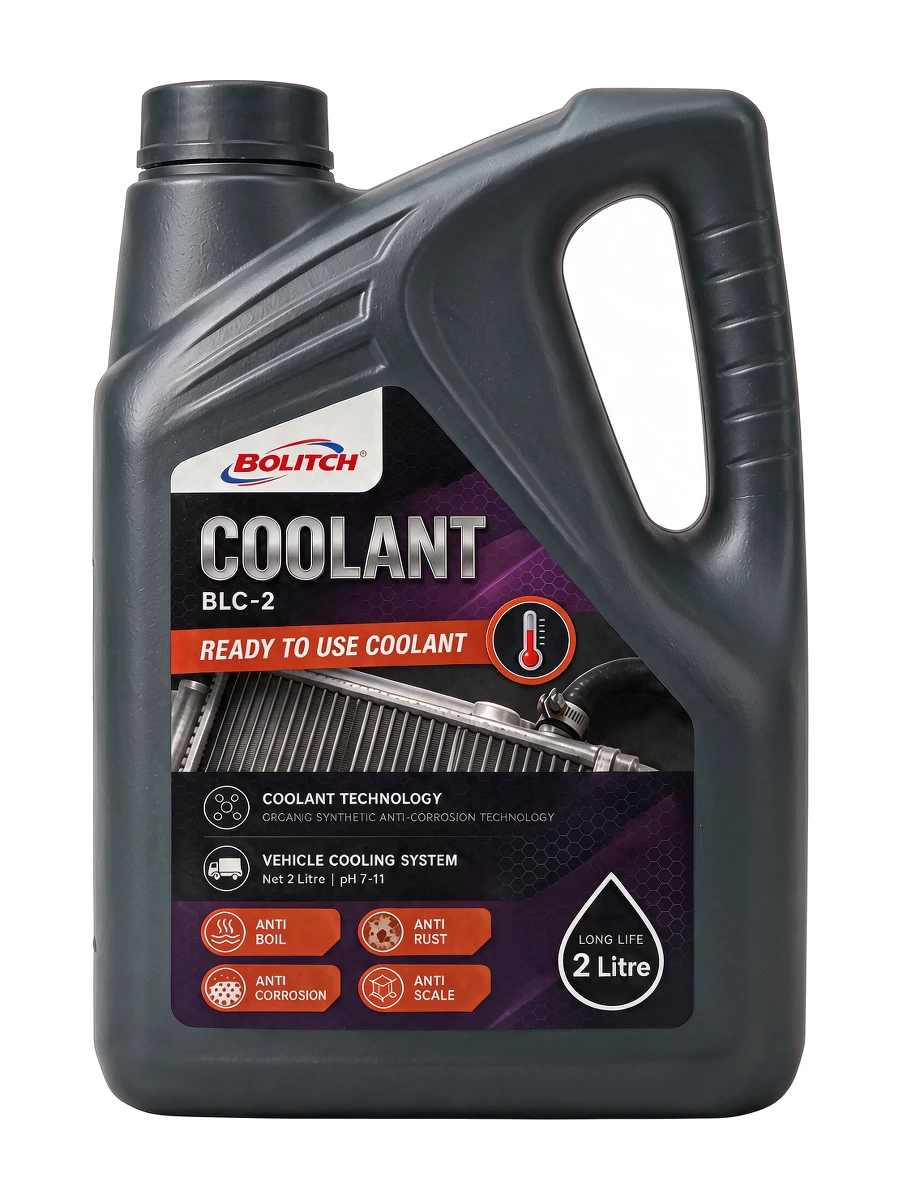
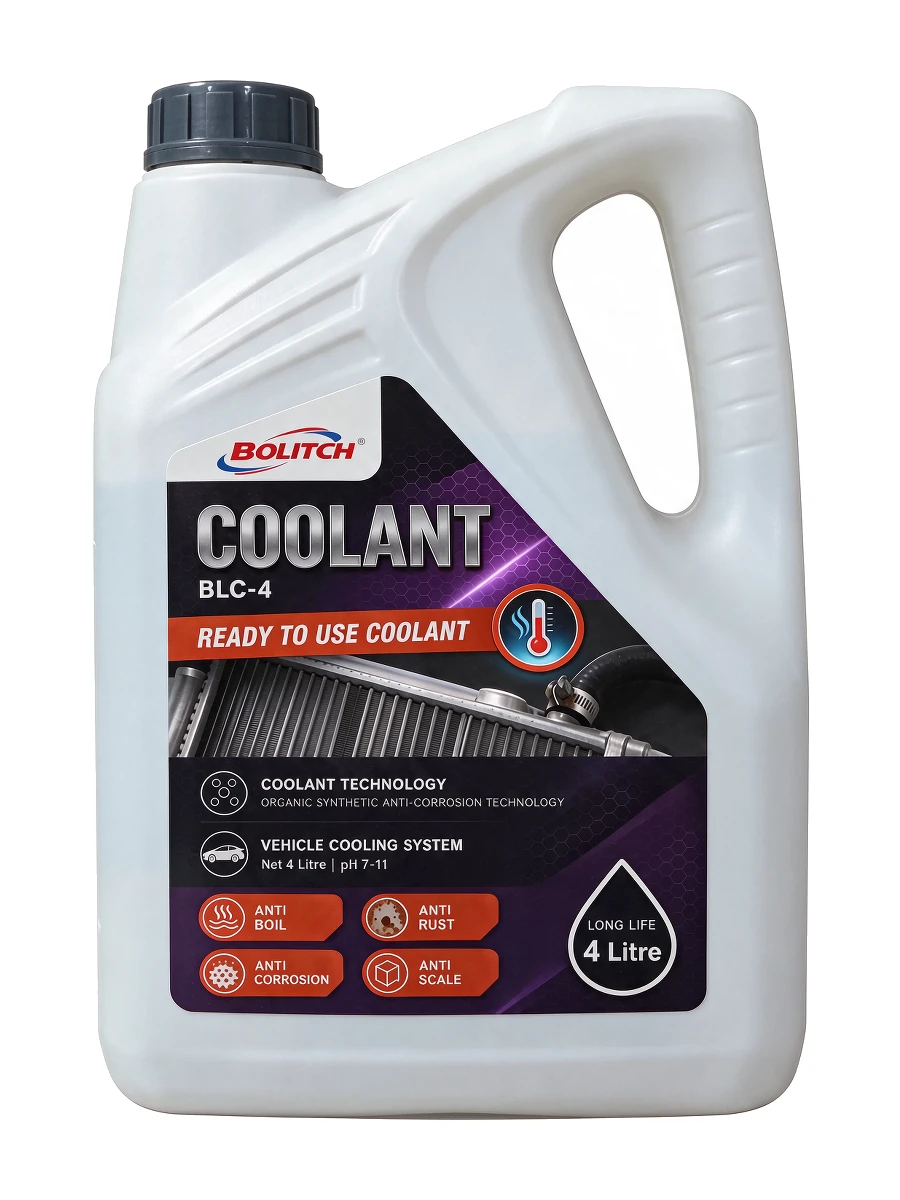
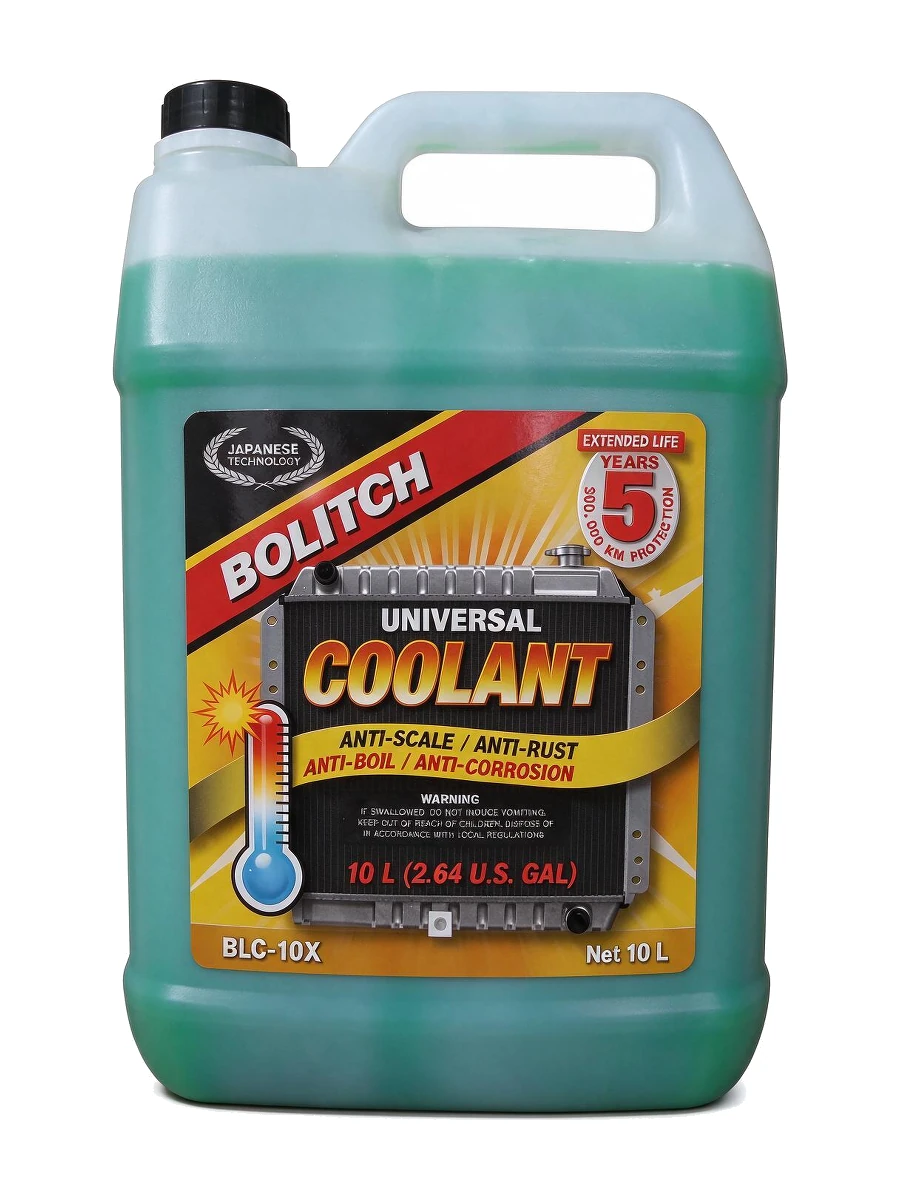
A distributor in West Africa receives a container that spent three weeks on a hot route. The cartons look tired, one jug weeps a little at the neck, and the refractometer reading on a sample taken immediately after unloading is half a degree off the grade on the label. The buyer wants to know whether the product was badly made or whether the voyage did it. That question cannot be answered from a single reading, because heat on a sea voyage does not act like heat in an engine. This guide is written for importers, distributors and private-label buyers who move coolant by container through hot ports. It explains which parts of a shipment heat can genuinely change, where the exposure happens, what to record before the door is opened, and how to run an arrival check that still holds up if you need to make a claim.
Two boundaries up front. First, this is about transport exposure of sealed goods, not about how a coolant behaves inside a running engine; the boiling-point margin and grade selection are covered in the linked guides. Second, the only performance numbers used here are the ones we publish by grade: a 0 °C freeze point pairs with a boiling point of about 101 °C, a -35 °C grade with about 109 °C, a -45 °C grade with about 110 °C, and the whole range sits in the 101–110 °C band depending on grade. We do not quote a price in this article, and we do not claim certifications we do not hold. Where a number matters to your contract, ask for the measured data for the actual batch.
What heat can and cannot do to a sealed shipment
Start with the distinction that settles most disputes. A sealed jug of coolant is not an open system. Heat does not boil the water out of it, does not evaporate the glycol away, and does not turn a correctly blended 0 °C product into a -45 °C product or the other way round. The carton and the label carry the grade identity, and a sealed unit that was filled correctly still has the same composition when it arrives. What heat does change is the rate of slow processes and the condition of the package. Warmer storage shortens the safe planning horizon for the inhibitor package, because chemical reactions run faster. Repeated expansion and contraction cycles the closure, which is the usual route for moisture to get in. Labels soften, adhesive creeps, cartons lose stiffness, and pallets settle. A hot voyage therefore produces packaging symptoms far more often than chemistry symptoms — but packaging symptoms are exactly what let moisture in and then create chemistry symptoms later.
| What you see | Most likely cause | First check | Evidence to keep |
|---|---|---|---|
| Damp or sliding label on one carton | Adhesive softened by heat; may be cosmetic | Wipe the neck, inspect the closure and weigh one unopened unit | Carton photo, batch code, unit weight |
| Small amount of liquid at the neck | Closure cycled or unit was handled roughly | Keep the unit sealed, photograph before touching, compare with a second unit | Seal state, neck photo, pallet ID |
| Refractometer reading slightly different immediately after unloading | Sample temperature and concentration stratification, not necessarily a wrong grade | Let a sealed sample reach ambient, then re-read against the carton grade | Both readings with time and sample temperature |
| Cartons crushed at the bottom of a pallet | Pallet settling or uneven stacking during a long hot leg | Check the packing pattern against the packing list before opening goods | Pallet photos, packing list, container number |
Notice the pattern: almost every first check is about identity and packaging, not about declaring the liquid bad. That ordering protects you commercially. If you test first and discard the packaging, you lose the evidence that explains the test result.
Where the heat actually comes from on a sea voyage
Container heat is rarely one long, even exposure. It is a chain of short environments. The origin yard may load a warm container in the afternoon. The stuffed container waits for documentation under direct sun. On the vessel, a deck position sees more solar gain than a shaded hold position, and a position near an engine-room bulkhead behaves differently from one in the mid-body. At the transhipment port the container may sit on a yard for days, then be inspected and re-stowed. At destination it waits for clearance and trucking, often in the hottest part of the day. Each leg contributes a different amount, and no one can reconstruct the profile from the bill of lading. This is why we talk about a temperature history rather than an average temperature: a short excursion and a long soak leave very different evidence in a package.
- Temperature and time when the container is stuffed, with the container number and seal number photographed.
- Stowage request and actual stowage position: deck or hold, and whether the carrier confirmed a shaded position.
- Transhipment dwell time, including any inspection that opened the container or moved the pallets.
- Destination yard dwell before delivery, and the temperature at the moment the seal is broken.
- A simple temperature logger placed with the cargo, not in the driver's cab or an office copy of the paperwork.
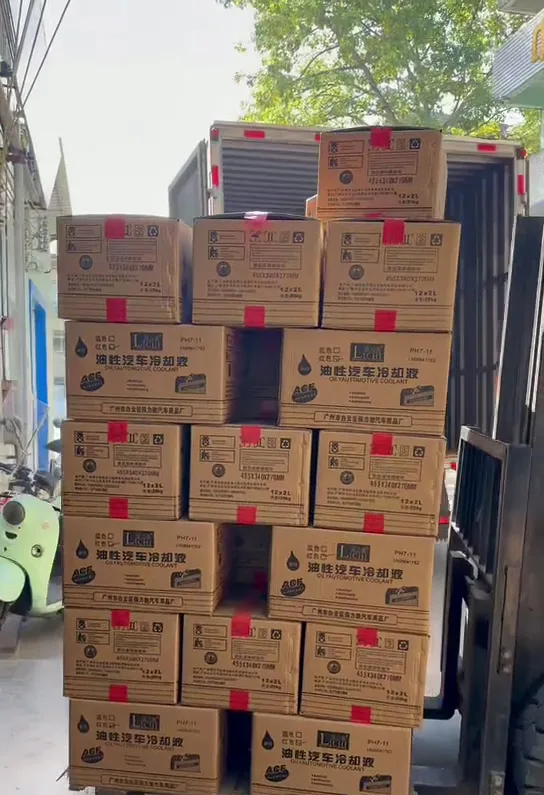
The pallet is the unit that survives the voyage, not the individual jug. A stable pattern, intact shrink wrap and a carton that still has its stiffness are what keep the closure from being flexed on a rough road after a long hotport dwell. Photograph the pallet from both sides at stuffing; those two photos are often more useful in a dispute than a laboratory result on a sample whose chain of custody is unclear.
Prepare the shipment before the container door closes
Heat control on a sea voyage is mostly preparation, because nobody can control the weather halfway across an ocean. You control the product leaving the plant, the way it is packed, the condition of the container and the evidence that travels with it. Ask the supplier to confirm the manufacturing date and stated shelf life for the batch, and to record the measured freeze point and boiling point for that grade. Confirm that each unit is sealed and that the closure is intact. On our side, coolant is supplied as concentrate and ready-to-use in 1 L, 2 L, 4 L, 9 L and 10 L packs and in bulk drums, with freeze grades selected for tropical, temperate and severe-cold markets; technical data sheets are ready to download and safety data sheets are available on request.
- 1Confirm the batch code, production date and grade on cartons, not only on the invoice.
- 2Leave normal headspace in the pack; a completely full container has nowhere for expansion to go.
- 3Check closure torque on a sample from each production batch and record the result.
- 4Reject containers with roof rust, stains or a strong odour before stuffing.
- 5Place pallets away from the container door where practical and secure them against movement.
- 6Put a calibrated temperature logger inside with the cargo and record its serial number.
- 7Photograph the seal, the loaded pallets and the container number before the door is closed.
Why hot readings mislead you
Liquids expand when warm. That sentence sounds elementary, but it explains a large share of arrival disputes. A warmer sample is less dense, so a hydrometer or a refractometer that has not been used with temperature compensation can suggest a weaker concentration than the grade printed on the carton. A container that has sat in the sun can feel hot to the touch even though the liquid inside a sealed inner pack is close to the yard temperature; the reading still needs to be tied to the sample temperature. The same physics is visible in a vehicle cooling system: the translucent reservoir level rises while the engine is hot and settles as it cools, which is one reason a level check means very little unless the temperature condition is stated. Readings are evidence only when the conditions are recorded with them.
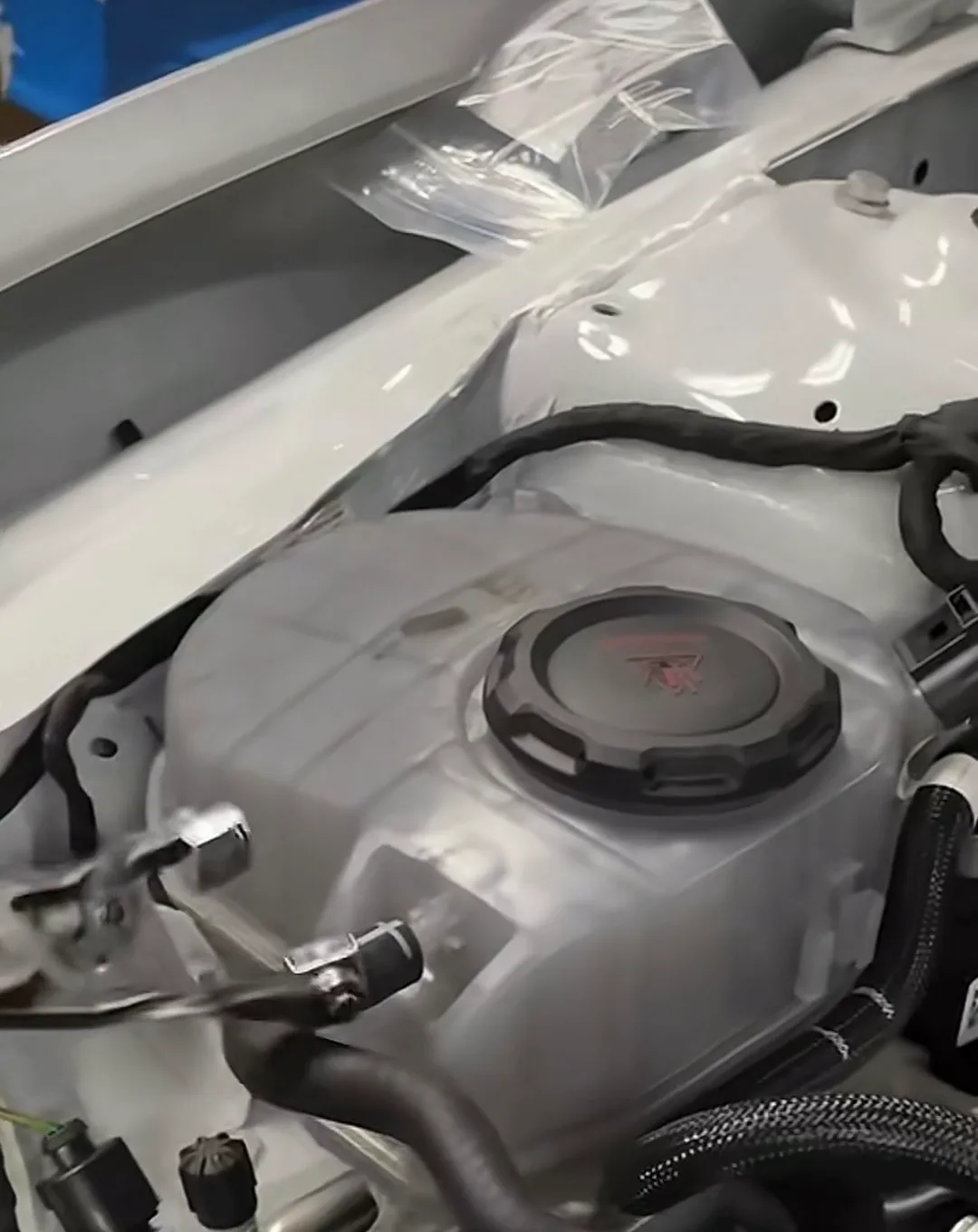
Do not top up, dilute, mix grades or relabel anything on the basis of a reading taken from a hot, freshly unloaded sample. Let a sealed sample reach the ambient temperature of your warehouse first, then read it against the grade stated on the carton. If the grade and the reading still disagree, hold the lot and compare an unopened sample with the batch document. Our measured atmospheric boiling points are 101 °C for the 0 °C grade, 109 °C for -35 °C and 110 °C for -45 °C, so the whole line sits in a 101–110 °C band; a grade mismatch is a commercial issue, not something to fix by adjusting a sample in the yard.
Arrival inspection: a sequence you can repeat
- 1Record the container number, seal number and logger data before breaking the seal; photograph the seal in place.
- 2Open the door and let the cargo settle if the container has been in direct sun; record the temperature at opening.
- 3Walk the pallets: cartons dry and square, shrink wrap intact, pattern matching the packing list, no crushed base layer.
- 4Select an unopened unit from a sampled carton; wipe the neck before breaking the closure, and note any resistance or weeping.
- 5Weigh one unopened unit and compare it with the declared net content to detect loss without opening several packs.
- 6Take a clear-glass sample, let it reach ambient, then read freeze point with a refractometer and compare with the carton grade.
- 7Use a pH strip and a conductivity pen as screening tools, and keep the readings with the sample temperature and time.
- 8Retain a sealed sample, the COA and all photos in one file, then release or hold the lot against a written rule.
| Tool | Useful for | Cannot prove |
|---|---|---|
| Temperature logger | Showing the actual profile of one voyage and the length of any excursion | The condition of every carton in the container |
| Refractometer | Checking glycol concentration against the grade on the carton, after temperature correction | Inhibitor health, contamination or a full specification |
| pH strip and conductivity pen | Screening for a shifted inhibitor band or ionic contamination | Full compliance with the published product data |
Write the heat risk into the order, not into the argument
A claim after a hot voyage is only as strong as the paperwork created before it. You do not need a complex contract; you need a few plain lines that say who records what and what happens if a reading differs. Agree the stowage request in writing, even if the carrier cannot guarantee it. Agree that a temperature logger travels with the cargo and that its data is shared with both parties. Set the dwell condition at origin and destination, and state who pays for a re-test when the goods disagree with the batch document. None of this is about assigning blame in advance; it is about preserving a decision path so that a legitimate problem can be settled without a six-month argument.
- Grade, pack size, batch production date and stated shelf life for each line item.
- Measured freeze point and boiling point by grade, with the test method named but no certification claim implied.
- Stowage request, container number, seal number and logger serial number.
- Maximum agreed dwell at origin and destination ports, and who to notify if it is exceeded.
- Arrival acceptance rule: which readings trigger a hold and who performs the re-test.
- Retained-sample rule: number of units, retention period and who stores them.
Five expensive mistakes after a hot voyage
- 1Judging colour while the goods are hot. Colour is a dye, and a warm sample can also look different in a clear glass.
- 2Sampling the same carton repeatedly. Once opened, it is no longer evidence of a sealed unit.
- 3Treating a COA as a voyage report. It describes one sample at the plant, not what happened after stuffing.
- 4Accepting 'it was just hot weather' without logger data. A vague explanation cannot support either side of a claim.
- 5Re-sealing partly used packs and returning them to stock. Heat exposure plus a opened closure resets the clock completely.
FAQ: short answers for the receiving team
Does a hot container ruin coolant?
Not by itself. A sealed, correctly filled pack keeps its composition. Heat mainly shortens the planning horizon by accelerating slow reactions and stressing the closure, which is why the packaging check comes before the laboratory check.
Why did my refractometer reading change after unloading?
Because sample temperature and stratification both affect a quick reading. Let a sealed sample reach ambient, then re-read it against the grade on the carton. If it still disagrees, hold the lot and compare an unopened sample with the batch document.
Can I ask for a shaded stowage position?
You can request it in writing and record the reply. Carriers do not always guarantee a specific position, so the request is worth less than the temperature log. Treat the log as the evidence and the stowage request as a good practice note.
When should we shorten the stock rotation period?
When the recorded history shows long hot dwell, when a closure has wept, or when a carton has lost stiffness and allowed moisture toward the neck. In those cases, rotate the affected pallets first and test before selling them into a distant market.
Before you ship the next container
Hot-route discipline is not expensive: a logger, two pallet photos, a written stowage request and a receiving sequence that everybody follows. What it buys is the ability to separate a packaging problem from a chemistry problem, and a shipment from a story. If you tell us the origin port, destination port, pack sizes and the freeze grades you import, we will confirm the current specifications, shelf-life statement, documents and packing for that route before you commit the container. MSDS on request and TDS ready to download; we do not publish prices here and we do not claim certifications we do not hold.
Ask about hot-route supply
Tell us your route, pack sizes and freeze grades. We will confirm specifications, documents and a receiving plan before you book the next container.