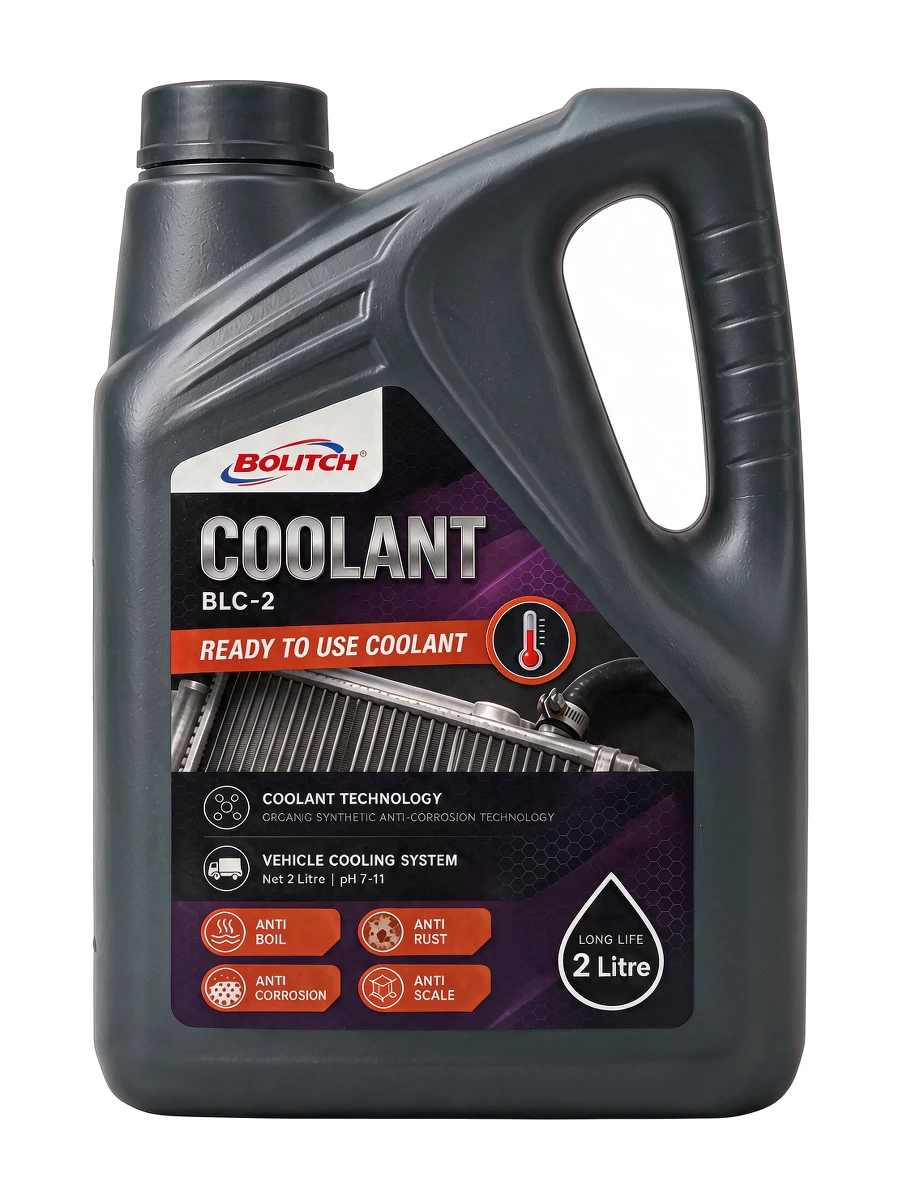
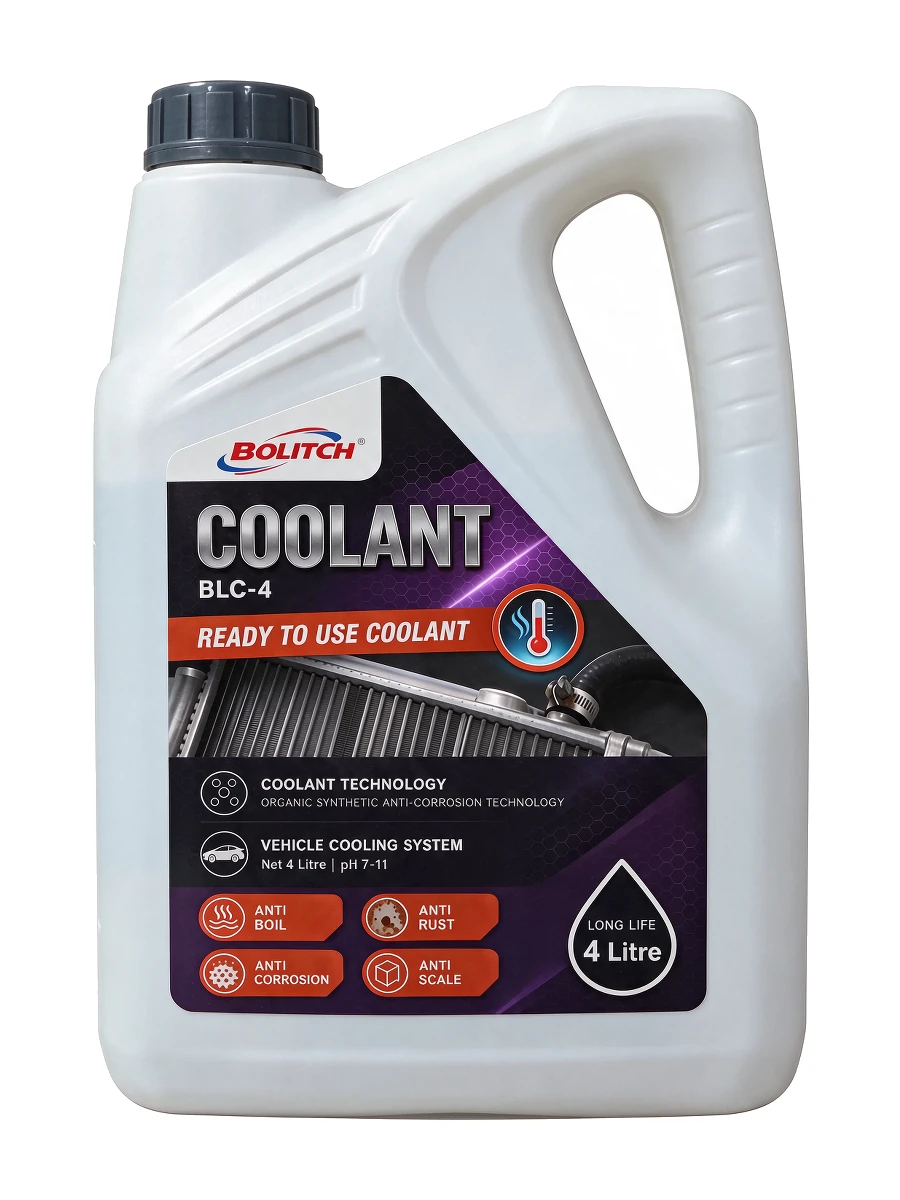
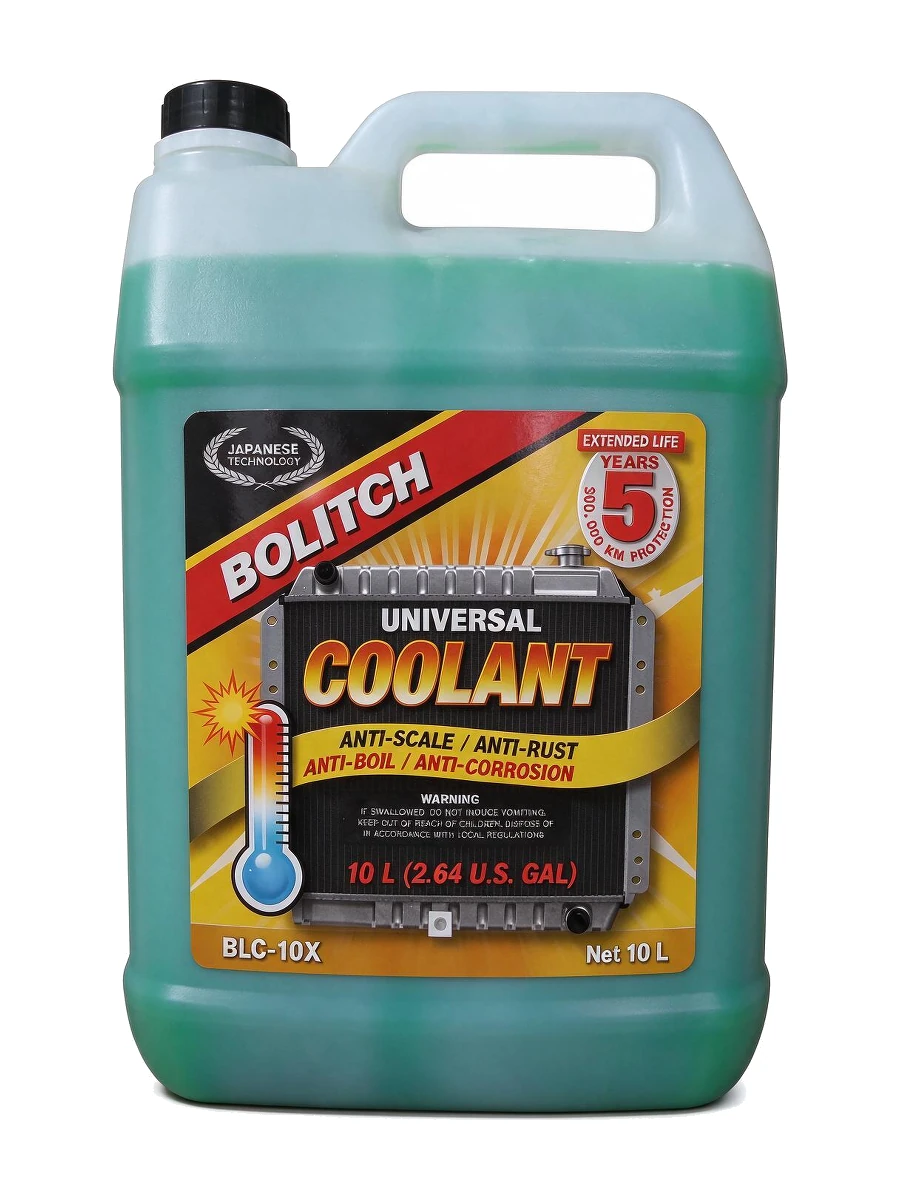
An importer sends a winter order into a continental market: pallets of cold-grade coolant, a rail leg, then a last-mile truck that sits overnight at -32 °C. The next morning a customer opens a jug and finds a slushy layer at the bottom. The obvious conclusion is that the product failed. Often it did not. The product was simply asked to do a job outside its rating, or it was unloaded, stored and thawed in a way that changed what the sample looked like. Extreme cold is the one climate where logistics mistakes can imitate a factory defect. This guide is written for distributors and fleet buyers who need a working plan for receiving, storing and using coolant in markets that genuinely see -30 °C or below — not a repeat of the grade-selection chart, but the operational sequence that starts when the truck arrives.
Two boundaries before we start. First, choosing the right freeze grade for a climate is a separate decision; we cover the export ladder and the concentration chart in the linked guides below. Second, the numbers in this article stay inside our published specification: a 0 °C freeze point pairs with a boiling point of about 101 °C, a -35 °C grade with about 109 °C, a -45 °C grade with about 110 °C, and the whole line sits in the 101–110 °C band depending on grade. Where a market needs a specific grade, confirm the current pack and availability with us before you build a stock plan around it.
What extreme cold actually changes
Cold does not attack a coolant order in one place. It starts three clocks at the same time. The product clock is the gap between the rated freeze point and the coldest temperature the liquid actually sees. The logistics clock is how long the shipment stays below that point — a brief dip and a three-day cold soak are not the same event. The vehicle clock begins when a parked machine starts from cold: metal contraction, thick oil, a weak battery and a pump that has not yet begun circulating fluid. A disciplined plan assigns each failure mode to one clock and therefore to one owner, instead of treating every complaint as a factory problem.
| What you see | Most likely clock | First response | Evidence to keep |
|---|---|---|---|
| Slush or ice in a sealed jug | Product or logistics: rating exceeded | Keep the container sealed, record temperature history, take a sealed sample | Batch code, seal number, unloading temperature, photos |
| Brittle closure or weeping neck after unloading | Logistics: thermal shock during handling | Do not open other units; weigh one jug to check net loss | Photos of all affected cartons, pallet IDs |
| Engine cranks slowly, heater stays cold | Vehicle: cold-start condition, not fluid grade alone | Use the block heater, check battery and circulation before blaming the coolant | Ambient temperature, start time, service history |
| Freeze point reads high on arrival | Product or sampling: contamination or wrong grade shipped | Compare a sealed sample against the batch document | Unopened sample, refractometer reading, batch document |
That table is the core of the plan. It is not an argument against cold markets; it is an argument for writing down which clock was running before anyone agrees to a credit note. A supplier, a carrier and a fleet can all be right about different parts of the same incident.
Set the grade and the margin before the cold front
Start with the coldest temperature your customers' vehicles realistically face, not the city average. Then add a margin, because a grade rated at a given temperature is a freeze point, not a promise that the drum can spend unlimited time below it. Deep-freeze grades carry more glycol: they protect further down the scale and raise the boiling point, but they also pour more slowly at low ambient temperatures and move heat slightly less efficiently than a lighter grade. That is why a severe-winter stock plan is a balance, not a race to the lowest number on the label.
| Coldest realistic ambient | Planning approach | Stock note |
|---|---|---|
| Mild winter, down to about -10 °C | -15 °C grade, or -25 °C if vehicles park outdoors overnight | Keep a small deeper-grade reserve for highlands and re-sellers |
| Regular winter, down to about -20 °C | -25 °C grade as the working stock | Hold the next grade up for long-haul and night parking |
| Continental winter, down to about -30 °C | -37 °C grade, with cold-start procedures in the same shipment | Confirm pack size and availability before the season |
| Severe / arctic, below -30 °C | -45 °C grade plus heated storage and thawing SOP | Treat as a project order; confirm current grade and packing with us |
A related point buyers often miss: the boiling point moves with the freeze grade, so the cold-market spec still carries a hot-weather argument. Our published band runs from about 101 °C at 0 °C freeze point to about 109 °C at -35 °C and about 110 °C at -45 °C. If a supplier offers a very low freeze point at a price that looks too good, ask for the measured boiling point and inhibitor data on that exact batch before the order enters a cold chain.
Receiving and storage: six checks before winter
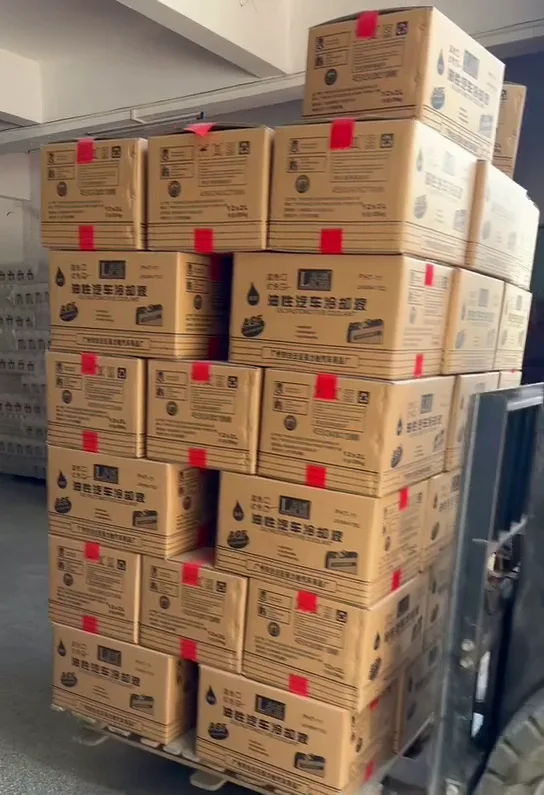
Most winter complaints are decided in the first hour after unloading. The goal is not to test every jug; it is to record the condition of the shipment before anyone opens it, so that a later dispute has a clean starting point. Use the same sequence at a port warehouse, a rail terminal or a distributor's store.
- 1Record the ambient temperature at the vehicle and at the carton face before unloading; photograph the thermometer with the pallet ID in frame.
- 2Check the container and seal numbers against the packing list before breaking the seal; a mismatch stops the whole receiving process.
- 3Look at cartons and jugs for brittleness, cracked closures, sticky necks or crust — cold plastic fails differently from warm plastic.
- 4Keep units sealed and upright. Do not open a jug in the cold store 'to have a look'; moisture and airborne contamination enter at that moment.
- 5Move stock gradually into a store held above the product's rated freeze point. Leave sealed cartons to equilibrate before any sampling.
- 6Rotate by manufacture date and keep one freeze grade per pallet position, so a night-shift picker cannot ship the wrong rung.
The gradual move matters more than it sounds. A carton that spends three days at -25 °C and is carried straight into a heated room will sweat; labels lift, cartons soften and the neck area can hold condensed water. Let the sealed stock come up to room temperature first, wipe the outside dry, and only then open one unit for a check. This is a handling rule, not a change to the product itself.
If a container has dropped below its rating
Do not decide from the first glance. Ice-like material inside a jug can be a genuine freeze event, a concentrate that has become very viscous, or sediment mistaken for slush. Work from the outside in: keep the container sealed, make a written temperature history, then let one sealed unit return to a controlled room temperature before you sample it. Compare what you find against the batch document rather than against a different order.
| Observation | Likely explanation | Action |
|---|---|---|
| Uniform slush that disappears after slow warming | Temperature fell below the rated freeze point | Record the exposure; hold the lot for a sealed-sample freeze point check |
| Clear liquid with a few settled particles | Sediment or contamination, not necessarily ice | Photograph before shaking; keep an unopened sample for comparison |
| Level drop plus crust at the cap | Seal or thermal-shock issue, not a freeze-point issue | Weigh the unit; inspect the other cartons on the same pallet |
| Two grades in the same pallet position | Warehouse mix-up | Quarantine the pallet and reconcile with the packing list |
A thaw must be slow and controlled. Never put a frozen container on a heater, in direct flame or in hot water: local overheating can damage the closure and the container before the contents have thawed, which then creates a second, unrelated problem. If the lot has genuinely been below its rating for an extended period, do not partially thaw it and send it onward. Hold the whole lot, take a sealed sample, and resolve the question before the goods move again.
Cold-start routine for fleets and equipment
A correct grade cannot compensate for a cold-start routine that ignores the rest of the machine. In a continental winter, vehicles may sit for twelve hours without running; the battery is weaker, the oil is thicker and the coolant has not circulated. The following sequence costs nothing and removes the most common reasons a buyer reports 'the coolant is not working' during the first cold week.
- 1Before start-up, use the block heater or inlet heater where fitted; a pre-warmed engine reduces load on both battery and pump.
- 2Confirm the level at a cold, level engine — a cold reading is the only one you can compare with the MAX/MIN marks.
- 3Start once and let the engine settle. Do not rev a cold engine to force the heater to work; circulation comes from the pump, not from rpm.
- 4Watch the temperature gauge and heater outlet together. A gauge that climbs while the cabin stays cold points to airflow or a heater-core issue.
- 5After the engine has cooled completely, recheck the level. A drop on the second cold check is a real finding; a drop read while hot is not.
- 6Record ambient temperature, grade used and the time to warm-up for the first few cold days of the season.
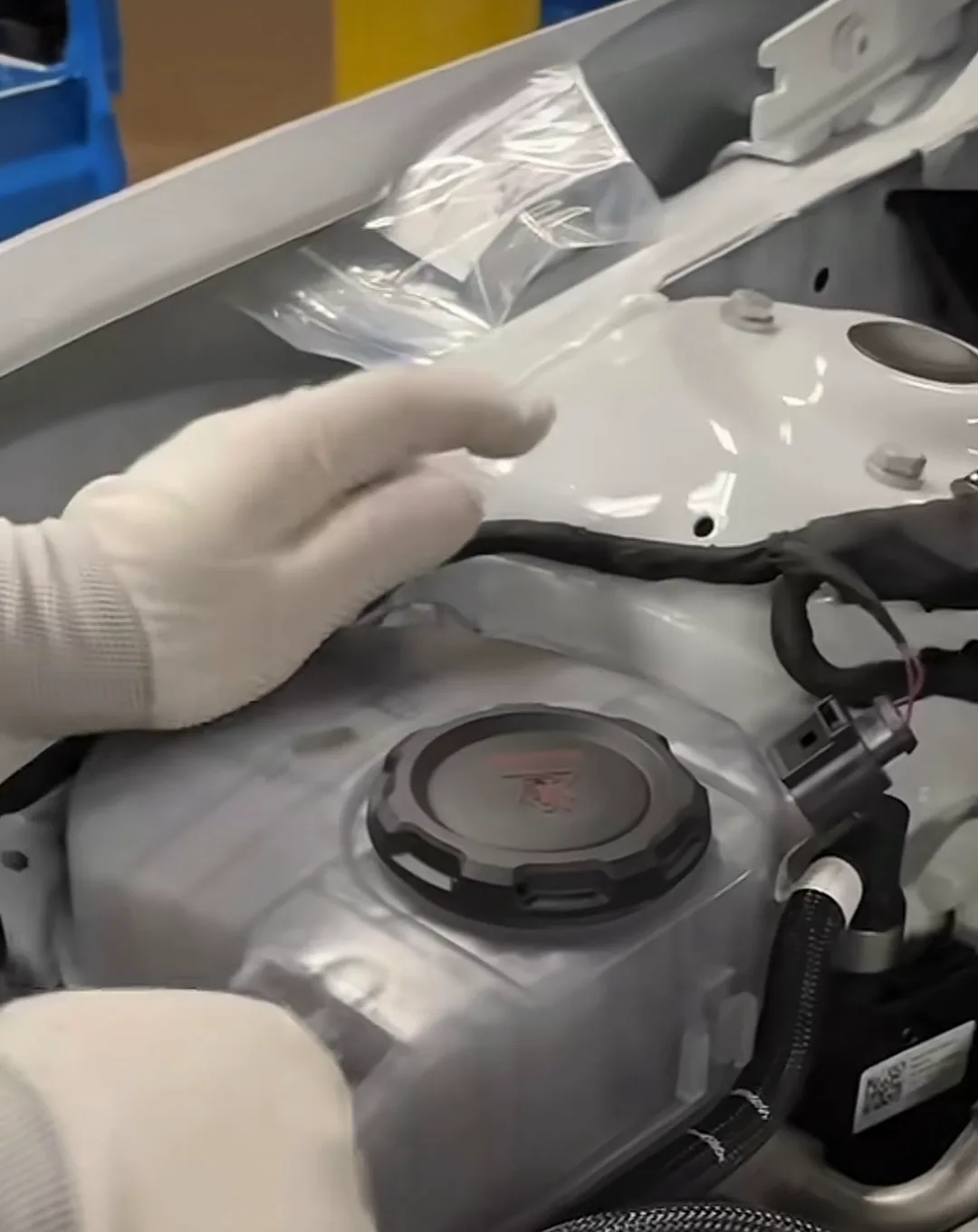
One caution on the last step: never remove a cap on a hot system to 'check the level'. Cold-market fleets often run higher pressure differentials, and a hot opening is dangerous as well as misleading. The illustration above shows the correct moment — after cool-down, with a gloved hand on the cap and the reservoir in view.
A stock-planning worksheet for importers
Once the grade decision is made, put five things into the RFQ in writing. They cost nothing to ask and prevent most of the later 'we thought you meant' disputes. Treat them as part of the specification, not as casual questions in a chat thread.
| Ask | Why it matters in a cold market | What to record |
|---|---|---|
| Rated freeze point and measured boiling point | The two numbers move together; a label alone proves neither | Batch document and TDS values |
| Pack size and closure type | Cold handling stresses plastic and seals differently | Carton count, net and gross weight |
| Lowest temperature the shipment may see | Determines whether heated storage or a different route is needed | Route plan with temperature bands |
| Batch traceability and retention sample | The only way to separate product from logistics in a claim | Batch code, seal number, sample record |
| Documents and language | Customs and the customer both need readable paperwork | TDS ready to download; MSDS on request |
We do not publish a cold-market price list in this guide, and we do not claim certifications we do not hold. What we can supply is the specification, the batch traceability and the product pages linked below, so that your buyer can make a decision on data rather than on a promise made in a chat.
Build the claims file before you need it
When a dispute arrives, the side with the better file usually wins, regardless of which side is technically right. In a cold-market claim, six items matter more than a long email chain.
- Photographs of all pallets from two angles, including batch codes and the container seal.
- A temperature log covering the last leg and the unloading point, with time and date visible.
- One unopened unit from the same batch, kept upright at controlled temperature as the reference sample.
- The batch document for that exact code, not a generic brochure or a different shipment's report.
- A short written sequence of what was done on arrival — who opened what, at what temperature, and when.
- If the dispute continues, an independent laboratory result on the retained sample, with the method stated.
Safety data sheets are supplied on request; technical data sheets are ready to download from the product pages. Keep both in the file before the season begins, not during the argument.
Five expensive mistakes to avoid
- 1Buying on the lowest label number. A deeper grade you never need costs glycol on every litre and pours badly in the very cold you planned for.
- 2Opening a frozen container to inspect it. You turn a temperature problem into a contamination and seal problem at the same time.
- 3Shipping a partly thawed lot to keep the delivery date. The receiving customer inherits your problem and files the claim.
- 4Reading a hot level as a loss. Fluid expands with temperature; only the cold, level reading is comparable.
- 5Mixing grades on one pallet 'to save space'. A picker will eventually send the warm-grade jug to the coldest customer.
Four questions buyers ask us
Does a -45 °C grade mean the drum can sit outside at -45 °C?
No. The number describes the fluid's freeze point, not the storage temperature of the container. Keep sealed stock above the rated freeze point wherever possible, and treat prolonged exposure below it as an event to document — even if the liquid later returns to normal after slow warming.
Can we thaw a frozen container quickly to make the delivery window?
No. Rapid, local heating damages closures and containers and creates a second defect. Move the sealed unit to a controlled temperature area, let it equilibrate, then sample. If the lot exceeded its rating for a long period, hold it and resolve the question before shipping.
Why does the heater stay cold even with a cold-grade product?
A cold-grade fluid protects against freezing; it does not fix air trapped after a refill, a restricted heater core, a failed blend door or a weak battery on start-up. Follow the cool-engine check sequence above, and look at the heater article in our related reading for the branch that belongs to the vehicle rather than the liquid.
What is the service interval in these markets?
Our published long-life claim is five years or 300,000 km. Hard use — long idling, dust, heavy loads — changes how often a fleet chooses to inspect and service, but it does not change what we publish as a claim. Base your customer communication on the documented specification and your own service records.
Where to start
If you are building a cold-market assortment for the first time, start with the grade question, then write the receiving and cold-start sequences into your distributor manual. The product pages below show the pack sizes and documents we can actually supply. Tell us the coldest realistic ambient temperature, your pack preference and the port of discharge, and we will work backwards from the route to a grade and a stock plan.
Ask about cold-market supply
Tell us your climate band, pack size and destination port. We will confirm the current grade, documents and a receiving plan before you place the order.