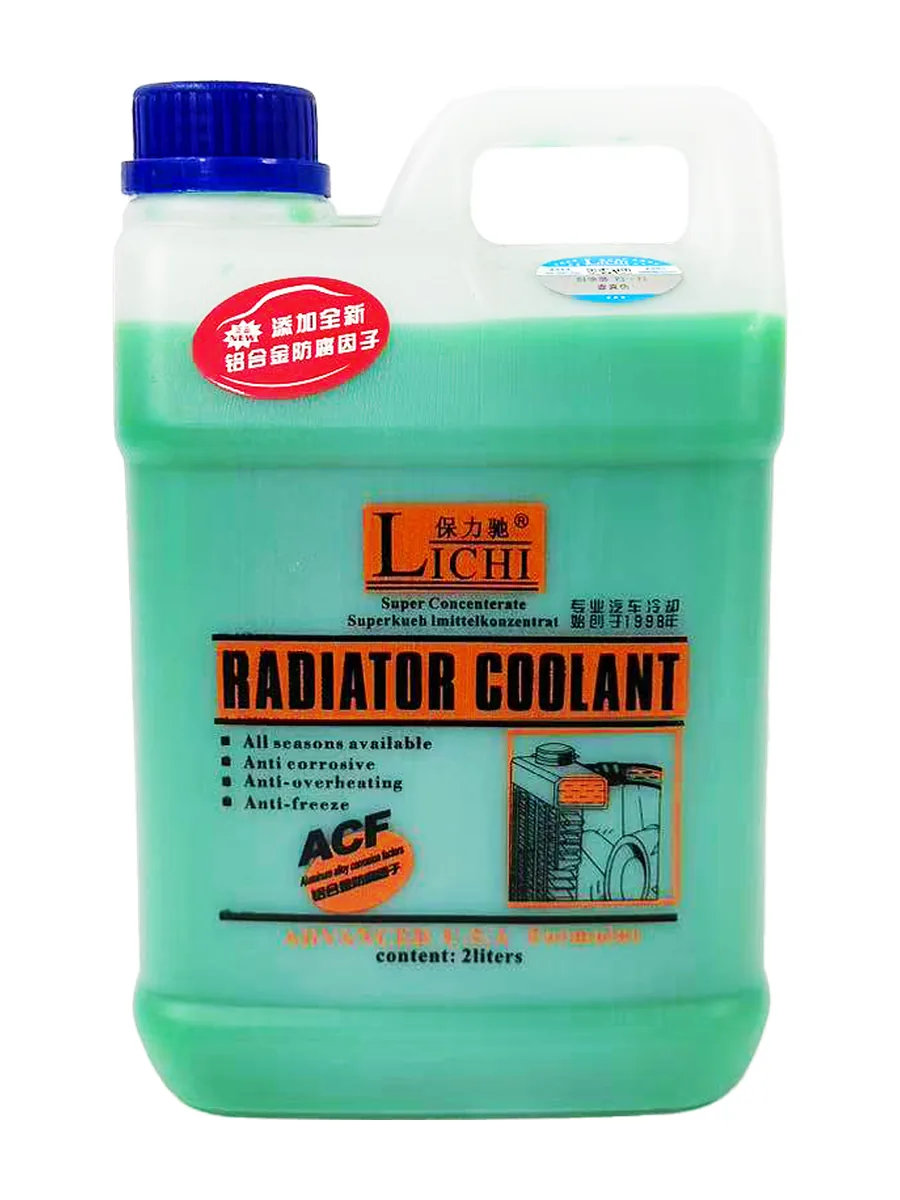
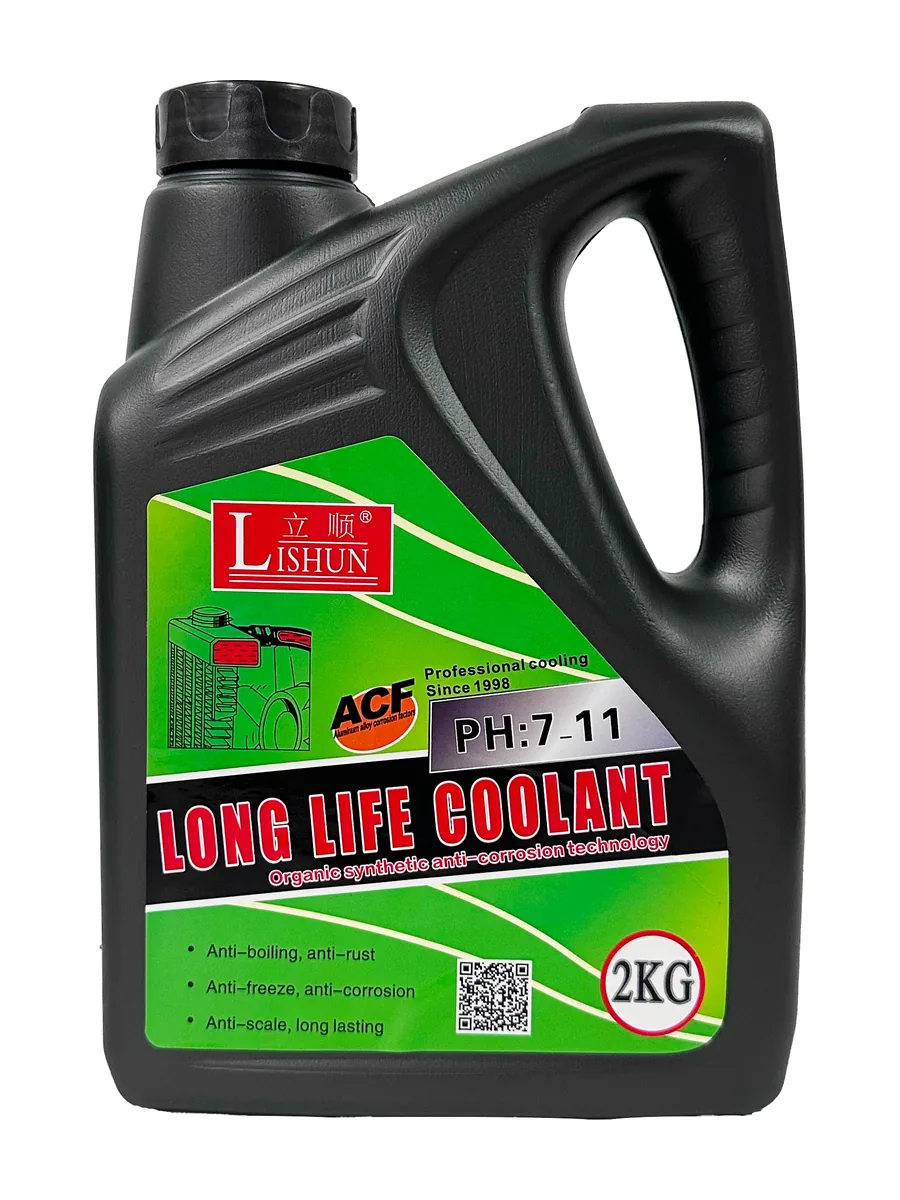
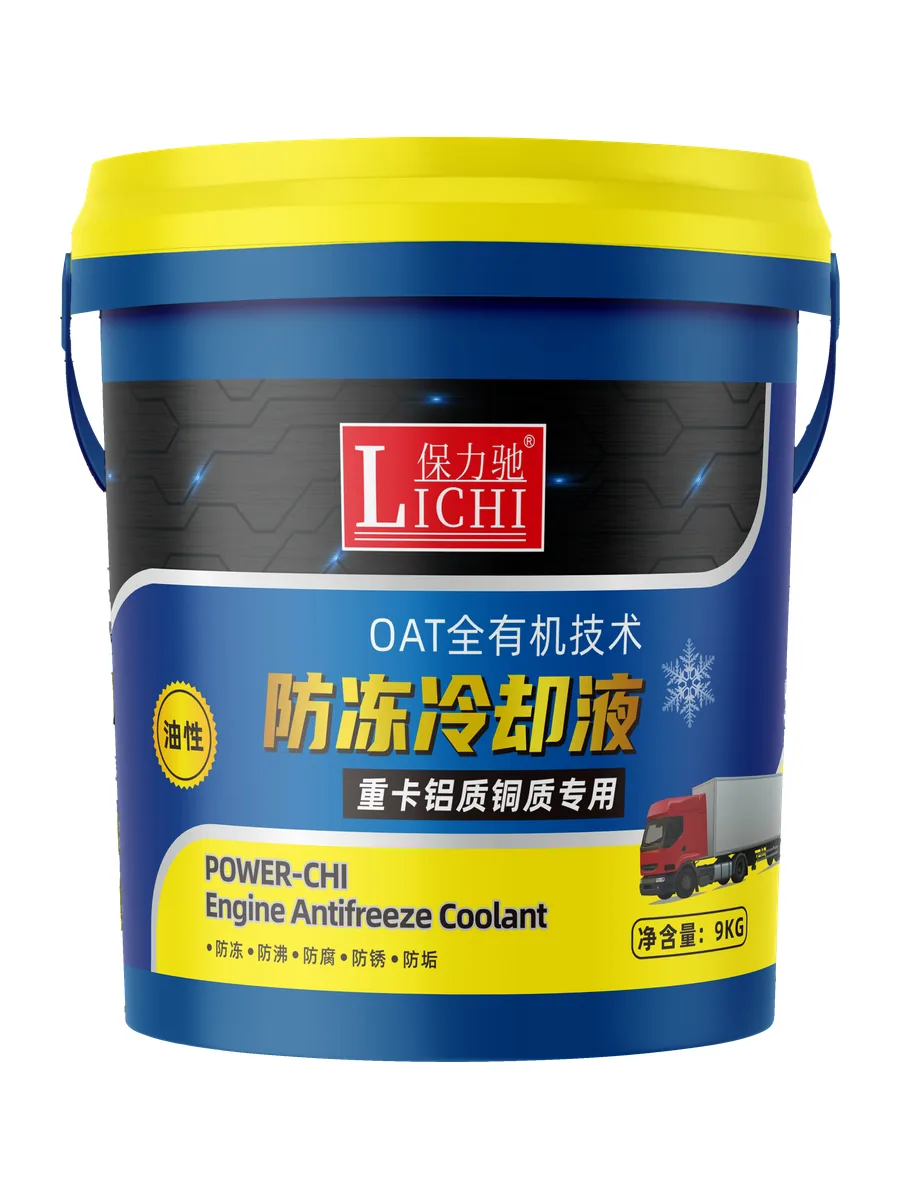
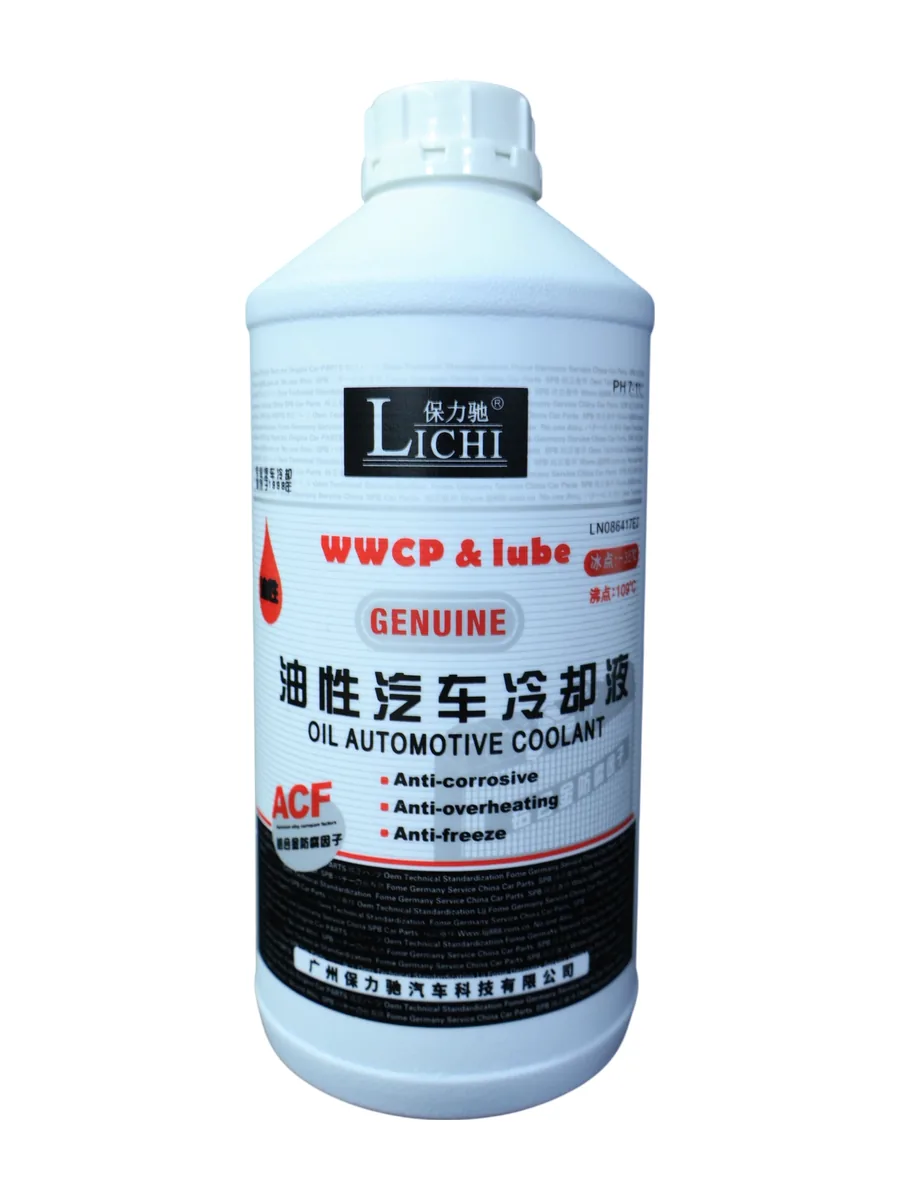
For an importer or distributor, coolant is never a single product — it is a range. The same bottle that is perfectly specified for a fleet in Lagos would freeze solid in a Moscow winter, and the deep-freeze mix built for Siberia is wasted glycol and wasted money on a shelf in Manila. The single most important number to plan your catalogue around is the freeze point, because it decides both whether the product is safe and legal to sell in a given market and how much it costs to make. Most first-time importers order one grade, usually the one their supplier pushes hardest, and discover months later that half their territory needs something different. The disciplined way to buy is to treat coolant as a four-rung ladder — 0 °C, -15 °C, -25 °C and -37 °C, with -45 °C available for the coldest markets — and to load a container that mirrors the climate mix of the customers you actually have. This guide shows how the grades relate to each other, how to match each one to a climate zone, how to work out the right proportion for a mixed container, and the mistakes that quietly cost importers margin on every shipment.
Why freeze point is the first number to plan around
Freeze point is the temperature at which the coolant begins to form ice crystals. Below that point the liquid expands, which can crack an engine block, a radiator or a heater core — the most expensive failure a coolant can cause, because it happens while the vehicle is parked and undriven. For that reason many markets treat a stated freeze point as more than a marketing claim; it is a product-safety specification. The freeze point is set almost entirely by how much glycol the formula carries: more glycol means a lower freeze point but also a higher boiling point, because the two move together away from plain water. Our range is built on that relationship and stated honestly by grade: a 0 °C tropical coolant boils at about 101 °C at atmospheric pressure, a -35 °C grade boils at about 109 °C, and a -45 °C grade at about 110 °C, so the whole line sits in a 101–110 °C band depending on the freeze grade. Planning your assortment around freeze point therefore also plans your boil-over margin — the two numbers an importer should always read as a pair.
The four-grade export ladder: 0, -15, -25 and -37 °C
Think of the range as a ladder you climb as the winters get colder. Each rung is a complete, fully inhibited coolant — the same corrosion protection, the same shelf life, a different glycol load — so a customer stepping up from the tropical grade to the cold-climate grade is not changing chemistry, only changing how far down the temperature scale the protection reaches. The ladder below is the one most importers standardise on; a -45 °C rung is added only for markets with hard continental winters.
| Grade (freeze point) | Atmospheric boil point | Typical markets |
|---|---|---|
| 0 °C | ≈ 101 °C | Tropical and equatorial markets with no hard frost (West Africa, Southeast Asia, Gulf states) |
| -15 °C | ≈ 103 °C | Mild-winter regions and tropical highlands (parts of India, Andean cities, southern China winters) |
| -25 °C | ≈ 105 °C | Four-season markets with regular winter freeze (Turkey, the Balkans, central China, US Sun Belt edges) |
| -37 °C | ≈ 109 °C | Continental and northern winters (Eastern Europe, Russia, Canada, Nordic imports) |
| -45 °C (optional rung) | ≈ 110 °C | Extreme cold and long-haul winter transport (Siberia, northern Canada, Arctic logistics) |
Match the grade to the climate zone
The fastest way to decide which rungs your market needs is to sort your customers by the coldest temperature their vehicles realistically face, not by the average. A city that dips to -10 °C for two weeks a year still needs a -15 °C or -25 °C grade for those weeks, because the failure happens at the extreme, not the average. Use the band below as a starting point, then refine with your own sales data once you see which grades actually move.
| Climate band | Coldest realistic temperature | Recommended grade |
|---|---|---|
| Hot / no frost | Above 0 °C year-round | 0 °C |
| Mild winter / highlands | Down to about -10 °C | -15 °C (or -25 °C for safety margin) |
| Regular freeze | Down to about -20 °C | -25 °C |
| Continental winter | Down to about -30 °C | -37 °C |
| Severe / arctic | Below -30 °C | -45 °C |
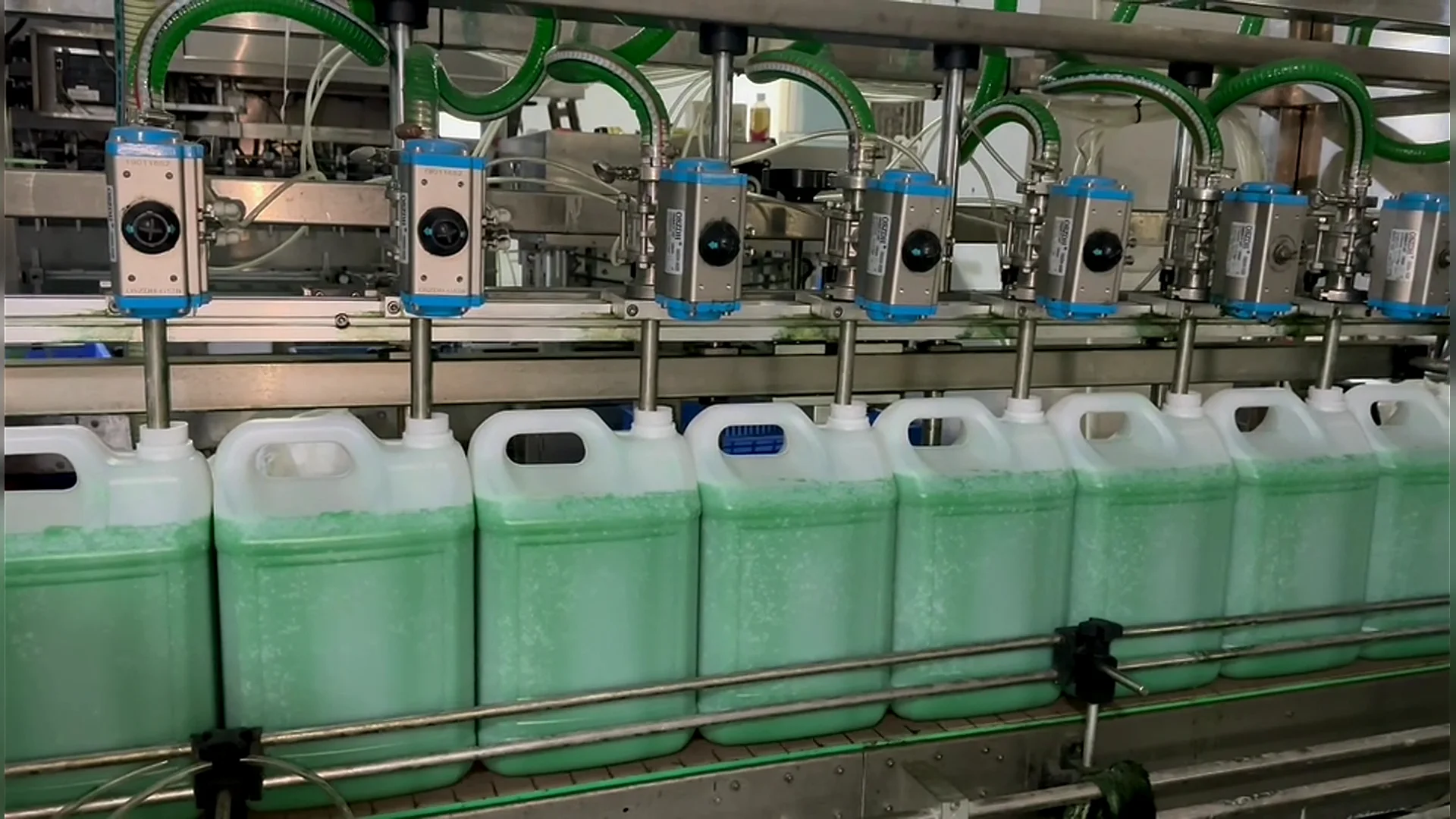
Each of those grades is produced by blending to a measured glycol concentration and then verifying the freeze point on the batch — not by labelling a single formula with five different numbers. A real manufacturer holds the glycol load steady within a tight band, batch after batch, because that is what keeps the freeze point and the boil point consistent on the test report you will show your own customers.
How to mix grades inside one container
You almost never ship a single grade to a single market. A distributor serving both a coastal city and an inland plateau needs at least two grades; a national importer may need three or four. The container should mirror that demand so you are not left with a warehouse of the wrong rung. The method is simple: estimate each grade's share of your annual volume, round to whole cartons, and load from the bottom of the ladder up so the bulk of the space goes to your best seller.
- 1Pull your last 12 months of sales by region and sort customers into the climate bands above.
- 2Convert each band's volume into cartons, using the pack size you have chosen (for example 12 x 2 L cartons, or 6 x 4 L cartons).
- 3Lead with your dominant grade — typically the tropical 0 °C or your largest single market — and fill the remaining space with the next grades in descending volume.
- 4Reserve a small share (5-10%) for the coldest grade even in warm countries, because highlands and export re-sellers always want some.
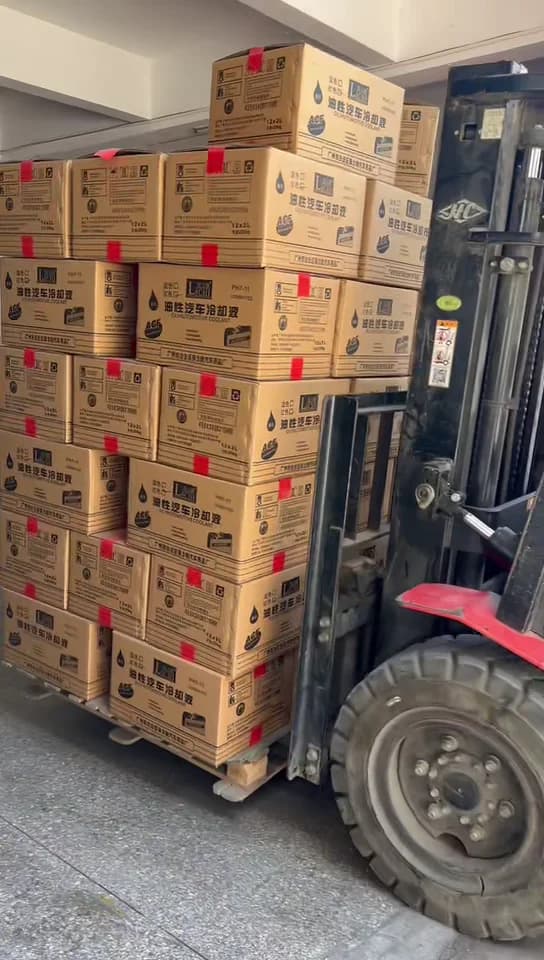
- 5Confirm pallet height and container internal height before sealing, and keep one grade per pallet so your warehouse can pick by climate.
| Grade | Share of volume | Cartons | Pallets (about 40 cartons) |
|---|---|---|---|
| 0 °C (tropical base) | 55% | ≈ 660 | 17 |
| -15 °C (highlands) | 25% | ≈ 300 | 8 |
| -25 °C (winter) | 13% | ≈ 155 | 4 |
| -37 °C (cold export) | 7% | ≈ 85 | 2 |
| Total | 100% | ≈ 1,200 | ≈ 31 |
On the floor that mix looks exactly like a palletised assortment of coolant cartons, each grade marked so your team can pick by climate rather than by guesswork.
Don't over-buy deep-freeze grades for hot markets
The most common margin leak is the opposite mistake: shipping -37 °C or -45 °C coolant into a market where it never freezes. Deep-freeze grades carry more glycol, which costs more per litre and, in a hot climate, buys protection nobody needs while giving up a little of the boil margin that hot markets actually care about. A tropical importer who loads 30% -37 °C stock has paid a cold-climate premium for product that will sit. The rule of thumb: let the coldest 5-10% of your mix be the deep grade, and let the bulk be the grade your climate actually demands. If a customer insists on a cold grade in a hot country, sell it to them by the carton, not by the container.
Specifying grades in your purchase order
A mixed container only works if the paperwork names the grade on every line. Vague purchase orders that say coolant let a supplier default everything to one formula, which defeats the whole exercise. Write the freeze point and the tolerance on each SKU so what arrives matches what your customers expect.
- State the freeze point per SKU (for example 0 °C, -25 °C) and the acceptable tolerance, usually ±2 °C of the labelled grade.
- Require the boil point on the batch certificate of analysis — by grade, matching the 101-110 °C band above.
- Ask for a safety data sheet (available on request) and a technical data sheet (ready to download) for each grade, not just the first one.
- Specify the pack size and carton count per grade so the container loads the way you planned it.
- Keep batch traceability so a freeze-point reading you take on arrival maps back to the exact drum that was blended.
Private label and OEM: we blend to your climate
Because the grades differ mainly by glycol load, the same production line can carry your own brand across the whole ladder. For private-label and OEM programmes we blend to the freeze grades your markets need — typically -5, -15, -25, -35 and -45 °C, customisable — under your label and your carton design, so a single factory supplies your entire climate range without you juggling multiple sources. That is also what keeps the freeze point and boil point consistent from batch to batch: one blender, one quality system and one set of batch records you can audit.
A pre-shipment checklist for importers
- List every grade you need with its freeze point and market before you request a quote.
- Confirm the boil point band (101-110 °C by grade) is on the supplier's specification, not assumed.
- Agree the container mix in cartons per grade, and a pallet plan that keeps grades separate.
- Require batch COA, SDS (on request) and TDS (ready to download) for each grade before the container is sealed.
- Plan a small cold-grade reserve even in warm countries for highlands and re-sellers.
Frequently asked questions
| Question | Short answer |
|---|---|
| Can I sell one coolant for every market? | Only if you accept either a cold-climate premium in hot markets or a freeze risk in cold ones. A 0 °C / -15 °C / -25 °C / -37 °C ladder covers almost every importer. |
| What boil point should each grade show? | By grade, in the 101-110 °C atmospheric band: roughly 101 °C at 0 °C, 109 °C at -35 °C, 110 °C at -45 °C. Confirm it on the batch COA. |
| How much cold-grade stock do warm markets need? | Usually 5-10% for highlands and re-sellers; the bulk should be the grade your climate actually demands. |
| Can the same factory private-label the whole ladder? | Yes — the grades differ mainly by glycol load, so one production line, one quality system and one set of batch records can carry your brand across the range. |
Request coolant grade samples and TDS
Safety data sheets are available on request and product specification sheets (TDS) are ready to download for every freeze grade. Tell us your climate mix and we will propose a 0 / -15 / -25 / -37 °C container plan with batch COA, boil-point data and private-label options. Visit bolitch.com or email sale@bolitch.com.