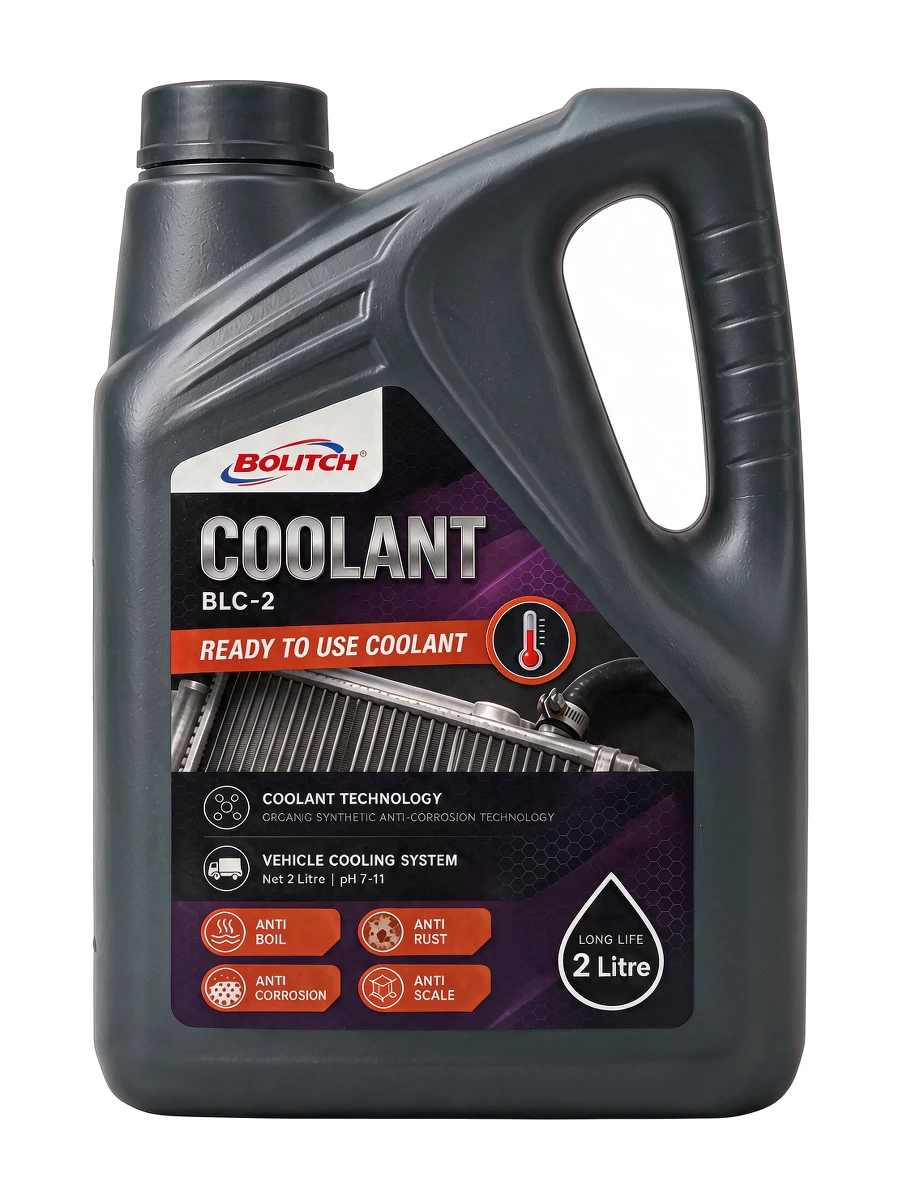
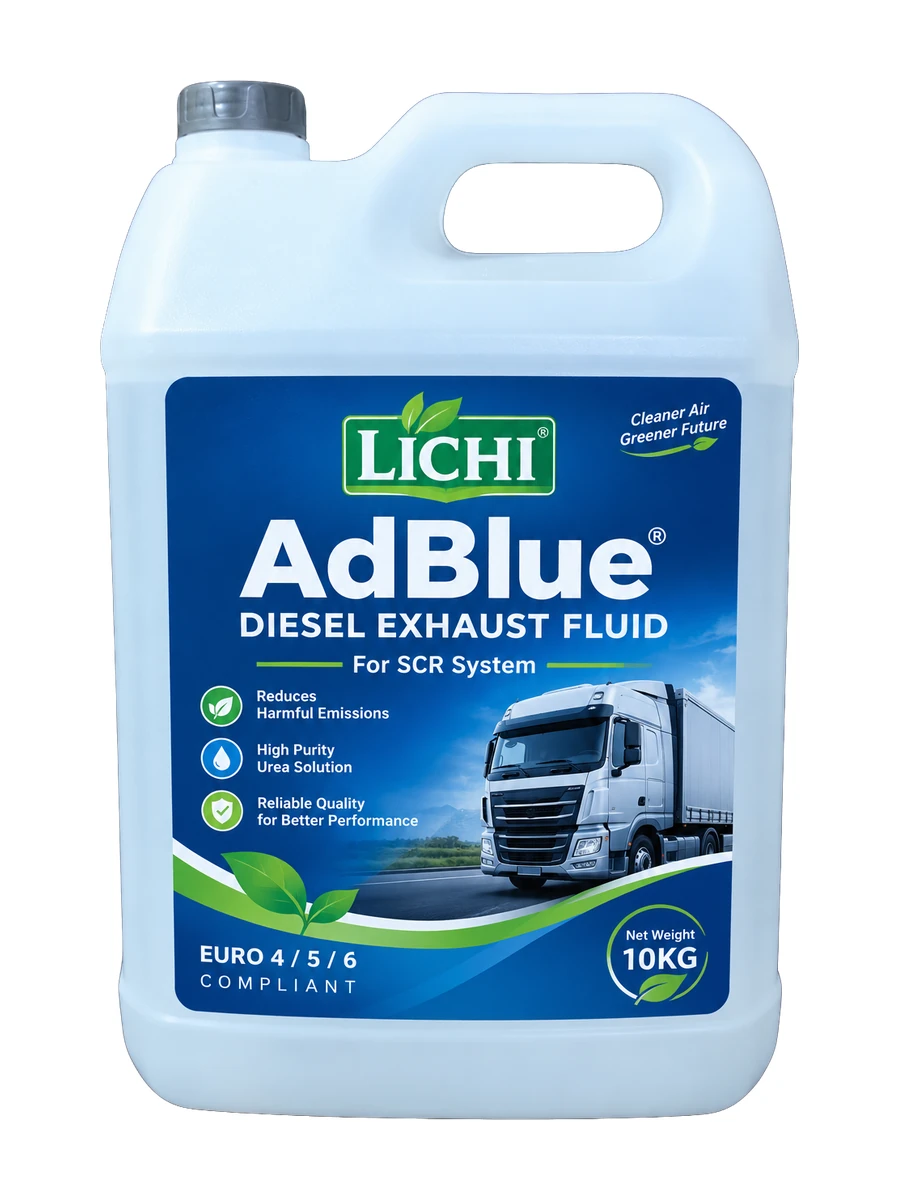
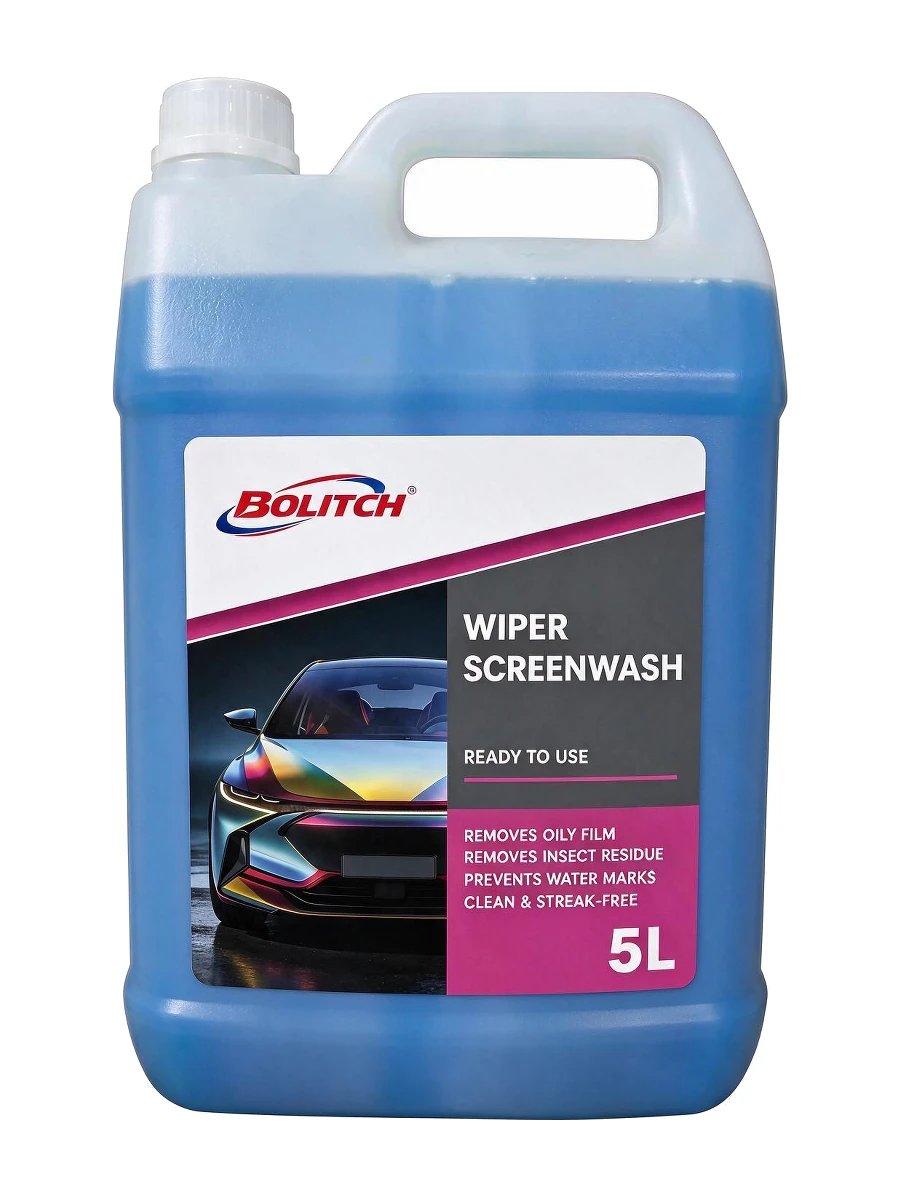
An importer once asked why a CIF price that looked safe in March was untenable in May. Nothing about the drums, the labels or the product had changed — only the ocean leg had repriced. Freight is the most volatile line in any shipped quotation, and it is the line buyers most often ask a supplier to absorb. This guide is written for distributors and importers of automotive fluids who need to quote their own customers with confidence. It explains what FOB and CIF actually move, where a fixed price breaks when rates swing, and a four-line structure that lets both sides plan a container without renegotiating every week. The numbers used below are illustrative planning figures, not a published rate; the structure is what matters.
The goal is not to win an argument about Incoterms. It is to hand a buyer a quotation that survives contact with a real freight market: clear about what is included, explicit about how long it holds, and honest about which party carries which risk. Done well, this protects the supplier's margin and the importer's credibility with their own downstream customers.
What FOB and CIF actually change in a quotation
Incoterms are a shared set of rules for splitting cost, risk and documents between seller and buyer. They are a rule framework, not a quality certification and not a logistics service. They simply state which party pays each leg and the exact moment risk transfers. Under FOB (Free On Board, named load port), the seller's duty ends once goods are on board the vessel at the named port; the buyer books the ship, pays ocean freight and buys insurance. Under CIF (Cost, Insurance and Freight, named discharge port), the seller contracts and pays carriage to the named destination port and provides minimum insurance — but risk still transfers at the shipment port. That last point is the one buyers most often misread: under CIF the seller pays for the sea leg, while the buyer already carries the risk of loss once the goods cross the ship's rail at origin.
| Cost / responsibility | FOB (named load port) | CIF (named discharge port) |
|---|---|---|
| Product and export packing | Seller | Seller |
| Inland haulage to load port | Seller | Seller |
| Export clearance and documents | Seller | Seller |
| Loading on board the vessel | Seller | Seller |
| Ocean freight to destination port | Buyer | Seller |
| Minimum marine insurance | Buyer (arranges) | Seller (arranges) |
| Risk of loss or damage | Buyer from load port | Buyer from load port (same point) |
| Destination port charges | Buyer | Buyer (unless agreed otherwise) |
| Import duty and customs clearance | Buyer | Buyer |
| Final inland delivery to warehouse | Buyer | Buyer |
Read the table once and the pricing logic follows. Neither term removes freight risk; they only decide who holds the carriage contract and who must explain a rate change to the next customer. In a rising market, an FOB buyer feels the increase in the booking they make themselves; a CIF buyer feels it in the re-quote the seller has to issue. The term you choose is therefore a decision about who manages a volatile contract, not about who magically avoids it.
Why a fixed CIF price breaks when freight swings
A CIF quote bundles a service the seller does not perform in-house — carriage by a third-party carrier — into a number that must stay valid long enough for a buyer to get internal approval. When the spot rate for a lane moves 15–30 percent inside a quarter, a CIF number with a two-month validity becomes a bet on the freight market. Four recurring causes account for most of the damage, and a buyer who understands them can plan around them rather than argue about them.
- Peak-season surcharges that land without warning on a lane that was quiet when the quote was written.
- Canal diversions or port congestion that lengthen transit and push carriers to reprice capacity.
- Bunker and currency moves passed through as emergency surcharges with little notice.
- Equipment shortages where the box exists on paper but not at the terminal on the requested date, forcing a later, pricier sailing.
What sits inside an FOB price — and why the production line matters
A FOB quotation is often read as 'the product only'. It is not. It includes the fluid, the pack, export cartons, labelling, inland haulage to the load port and export documentation. Most of those inputs hold steady for weeks; a few do not. Packaging resin and carton board follow commodity cycles, and a private-label run carries a setup cost spread across the order quantity. This is where a buyer can do real due diligence: ask what is inside the ex-works figure and how a change in pack size or label artwork is repriced. A factory able to show a controlled filling process and consistent batch records is quoting a repeatable cost — not a one-off guess that will be revised after the order is placed.

The four-line quotation structure that survives a volatile lane
The fix is not to quote a huge cushion that loses the order, nor to promise a fixed CIF price for six months and hope. It is to make the quotation explicit about time, reference and trigger. A clean sheet has four lines, and a buyer can copy this structure into their own RFQ template.
- 1State a base with a named reference. Price product plus export packing as one stable figure (ex-works or FOB); price the ocean leg as a separate line tied to a published index or an agreed rate on the date of quoting.
- 2Attach a validity window to each line. A short window on the freight line in a volatile quarter is cheaper for both sides than a long price nobody honours.
- 3Define a re-quote trigger in advance. Write the tolerance: if the referenced freight moves beyond an agreed band, either party may ask for the sea line to be refreshed while the product line stays fixed.
- 4Offer both terms side by side. Show FOB and CIF together so the buyer decides who manages the vessel — and so it is visible that the product price is not being inflated to hide freight.
| Quote line | How to write it | What it protects |
|---|---|---|
| Product + export pack | Fixed figure with a validity window | Buyer can approve internally without surprise |
| Ocean freight | Separate figure tied to an index / date | Supplier is not betting on a rate |
| Validity | An explicit date, not 'until further notice' | Both sides plan the same timeline |
| Re-quote trigger | An agreed tolerance band | No argument when the market jumps |
How long should a quotation stay valid?
There is no universal number, and that is the point. In a calm quarter a 30-day product price is reasonable. In a market where carriers publish surcharges monthly, a 7–14 day window on the freight line is more honest. Separate the two clocks: keep the product price valid longer and let only the sea line carry a short window. A buyer who needs a longer budget number is better served by the FOB figure with a note that freight will be confirmed at booking — that is more useful than a CIF number that will be withdrawn before approval.
- For an approved annual programme, agree a rate-review cadence rather than one fixed twelve-month CIF price.
- For a first trial order, quote a short window and keep stock readiness separate from price validity.
- For tenders, submit FOB as the comparable base and attach the freight assumption as a clearly labelled annex.
Choosing which term to lead with, by buyer and by market
Different buyers are set up for different terms. The term you lead with should match the buyer's logistics maturity and the character of the lane, not the seller's own preference. Leading with the wrong term creates work for both sides; leading with the right one shortens the negotiation.
| Buyer situation | Lead with | Why |
|---|---|---|
| Experienced importer with their own forwarder | FOB | They already buy better vessel rates and want control |
| First-time buyer on a new lane | CIF | One accountable party for the sea leg |
| Inland destination, no port team | CIF + named port | Avoid disputes over destination charges |
| Peak season with volatile spot rates | FOB | Buyer books when their own rate is favourable |
| Tender or framework agreement | FOB base + freight annex | Keeps the product comparison clean |
A worked example: one 40HQ, three freight scenarios
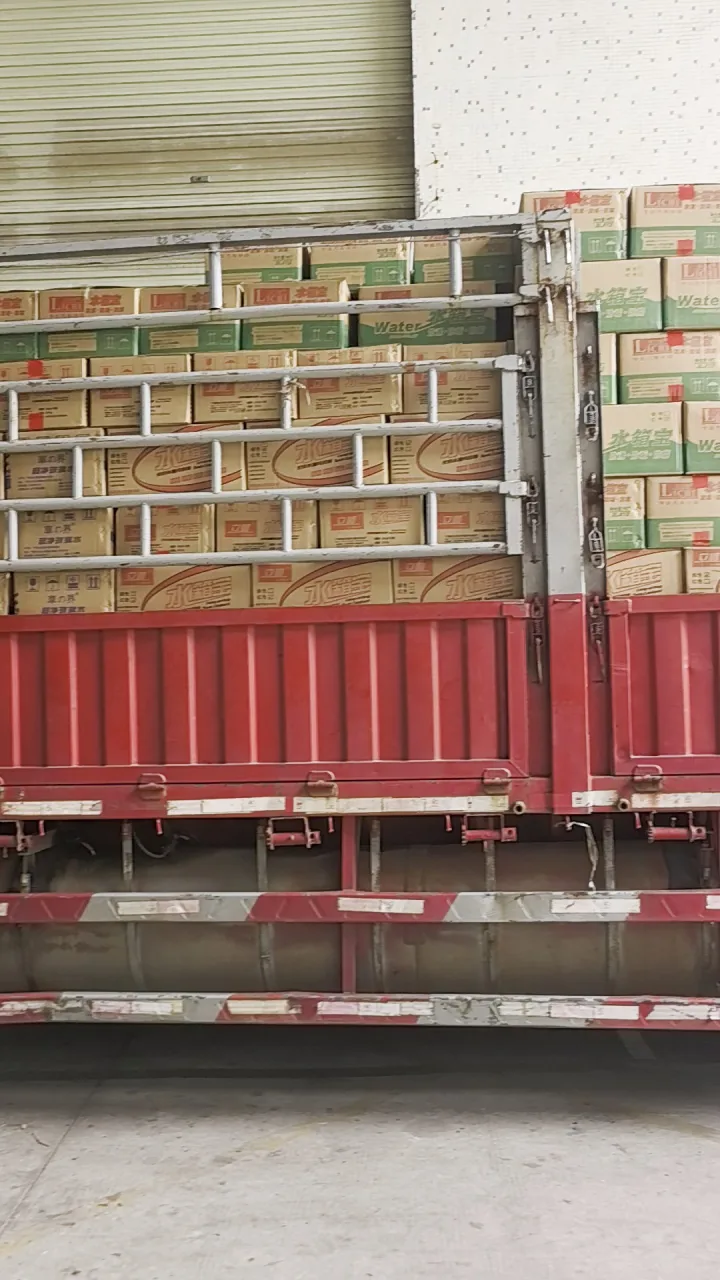
The figures below are illustrative planning numbers, not a rate offer. They show why structure matters more than the headline. Assume one 40HQ of mixed automotive fluids where the product and export packing are held at a fixed figure and the ocean leg is quoted as a separate line.
| Scenario | Ocean line at quote | Ocean line at booking | Fixed CIF quote | Four-line sheet |
|---|---|---|---|---|
| Calm lane | baseline | unchanged | Holds | Holds |
| Peak surcharge | baseline | above the band | Seller absorbs or withdraws | Trigger refreshes sea line; product line fixed |
| Carrier reroute | baseline | well above the band | Relationship damaged | Buyer sees the index move and chooses FOB or CIF |
In the second and third scenarios the product price never moved. What moved was a third-party service neither party controls. A quotation that treats those two things as one number forces a false choice: either the seller eats a loss or the buyer is told the original price was never real. Separating them preserves the relationship and keeps the negotiation about the thing that actually changed.
Costs neither term includes — and where disputes start
Buyers often read CIF as 'delivered'. It is not. Under both FOB and CIF, destination port charges, import clearance, duty and final inland delivery remain the buyer's cost. Confusion here is the source of most 'the quote was not complete' complaints. Put these exclusions in writing on the quotation so they are never a surprise at the destination.
- Destination port handling and documentation fees.
- Customs clearance, duty and any local inspection or lab-release cost.
- Inland haulage from the discharge port to the warehouse.
- Demurrage and detention if the container is not collected within free time.
Five questions to put into every RFQ
- 1Which Incoterm and which exact named port — load port for FOB, discharge port for CIF?
- 2What is inside the ex-works figure: pack, carton, label, pallet, documentation?
- 3Is the freight line indexed, and to what reference and date?
- 4How long is each line valid, and what triggers a re-quote?
- 5Can I have FOB and CIF side by side, so I can see the product price is not hiding freight?
Getting a quotation that actually holds
The practical takeaway is simple: separate the stable part of the price from the volatile part, put a clock on each, and let the buyer decide who manages the vessel. BOLITCH supplies coolant, brake fluid, AdBlue, washer fluid and manual transmission fluid for mixed containers, with pack sizes and labels planned around the destination market. Tell us the port pair, the pack mix, the target loading month and whether you buy concentrate or ready-to-use, and we will return both an FOB and a CIF line with the assumptions written out — so your own customer quotation stays valid long enough to be approved, and stays honest when the freight market moves.
Request an FOB and CIF quotation with the assumptions written out
BOLITCH supplies coolant, brake fluid, AdBlue, washer fluid and manual transmission fluid for distributors, importers and private-label buyers, in mixed containers with pack sizes and labels planned around your destination market. Technical data sheets (TDS) are ready to download and safety data sheets (MSDS) are available on request. Tell us your port pair, pack mix, target loading month and monthly volume, and we will send both an FOB and a CIF line with the freight reference, validity window and re-quote trigger written out, plus a sample batch COA and a quotation for your first container. Visit bolitch.com or email sale@bolitch.com.