For an importer of car-care fluids, the single biggest lever on landed cost is not the ex-works price — it is how efficiently the products travel. Booking a full container load (FCL) of a single product is the simplest plan, but it rarely matches what a distributor actually sells, which is a shelf with variety. The flexible alternative, several less-than-container loads (LCL) of single products, keeps your range broad but charges you per shipment and adds handling at both ends. The middle path most profitable importers land on is the mixed container: one 20ft or 40ft box that carries coolant, brake fluid, AdBlue, washer fluid, gear oil and workshop cleaners together, with ocean freight, documentation and terminal handling spread across the whole range. This guide walks through the freight math, a practical pallet plan, and the mistakes that quietly drain margin on a first order.
Why consolidate into one container
Ocean freight for a small importer is priced in two ways that decide the plan. LCL is charged by volume or weight, whichever is greater, plus a terminal handling fee at both the origin and destination port, plus a documentation fee for each separate shipment. FCL is one flat rate for the whole box, whether it is half full or packed to the rails. The crossover is earlier than most first-time importers expect: once your combined volume passes roughly 60 to 70 percent of a container, a single FCL almost always beats several LCLs, because you stop paying the per-shipment terminal and documentation fees and you stop paying the consolidation premium that LCL operators add for handling your goods twice. A mixed FCL keeps that favourable economics while still letting you carry the six or eight SKUs your market actually buys.
| Container | Internal volume (approx.) | Max payload (approx.) | Best fit for fluids |
|---|---|---|---|
| 20ft (20GP) | 33 m³ / 1,160 ft³ | ~28,000 kg | Mixed starter box, heavy drums, a single-region trial |
| 40ft (40GP) | 67 m³ / 2,390 ft³ | ~26,000 kg | High volume when weight is not the limiting factor |
| 40ft High Cube (40HC) | 76 m³ / 2,690 ft³ | ~26,000 kg | Most fluid mixes; extra height suits stacked cartons |
The 40HC is the workhorse for fluids because cartons of 1 to 4 L bottles are voluminous but light, so you usually hit the volume ceiling long before the weight ceiling. A 20ft box is the right call when you are testing a new market, when a single heavy product such as 208 L drums would otherwise strand space in a larger box, or when a buyer's road limit at the destination cannot take a heavier load. The planning question is never 'which container' in the abstract; it is 'how much of each product do I actually sell, and which box fits that mix with the least dead space and the lowest cost per sellable litre'.
Plan the mix across six product families
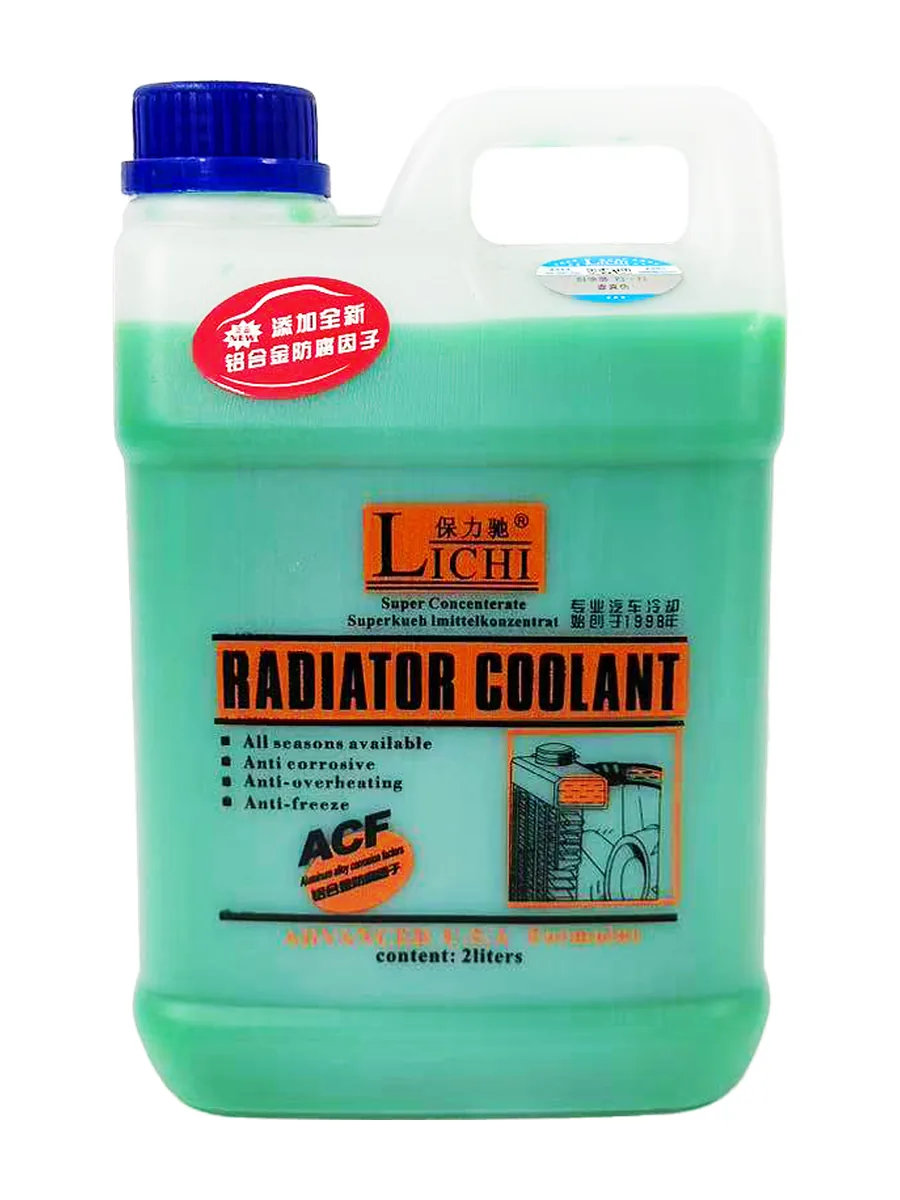
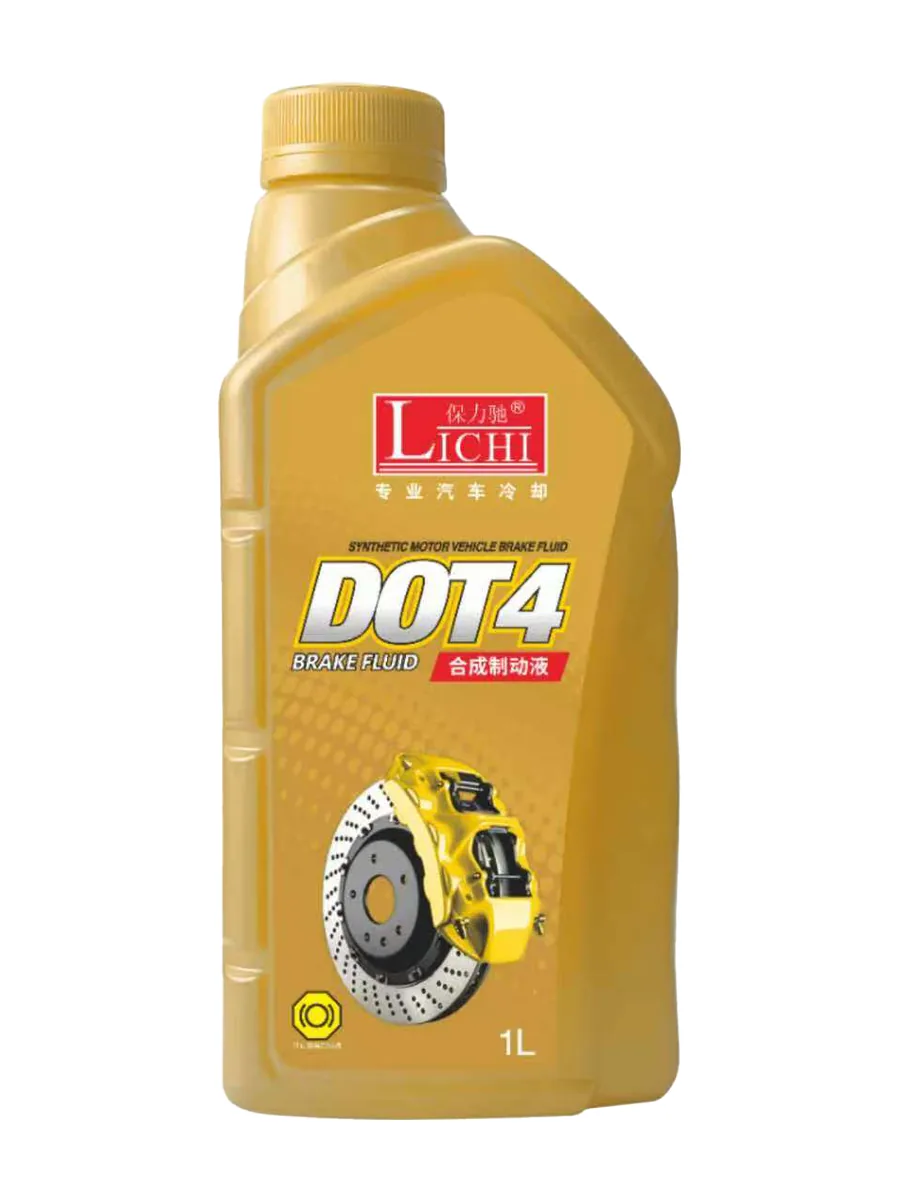
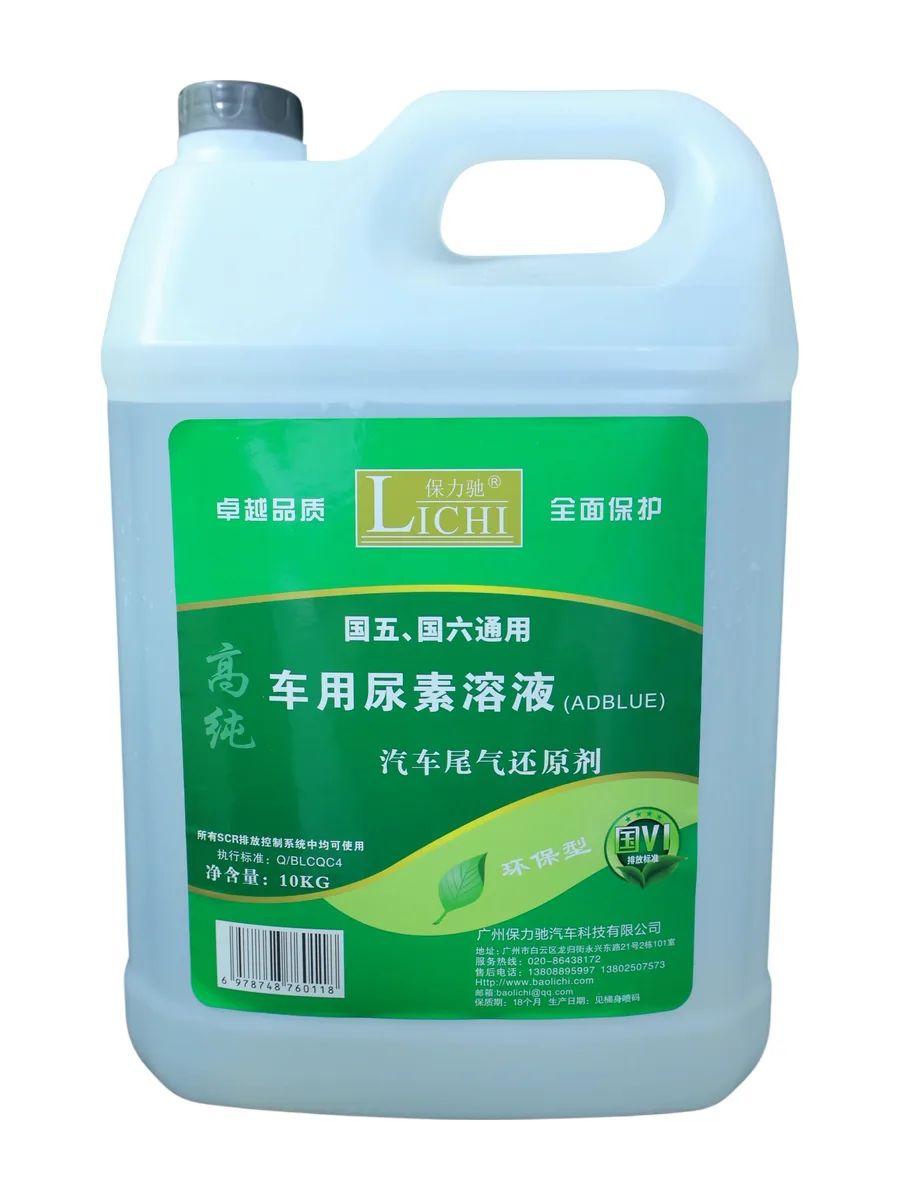
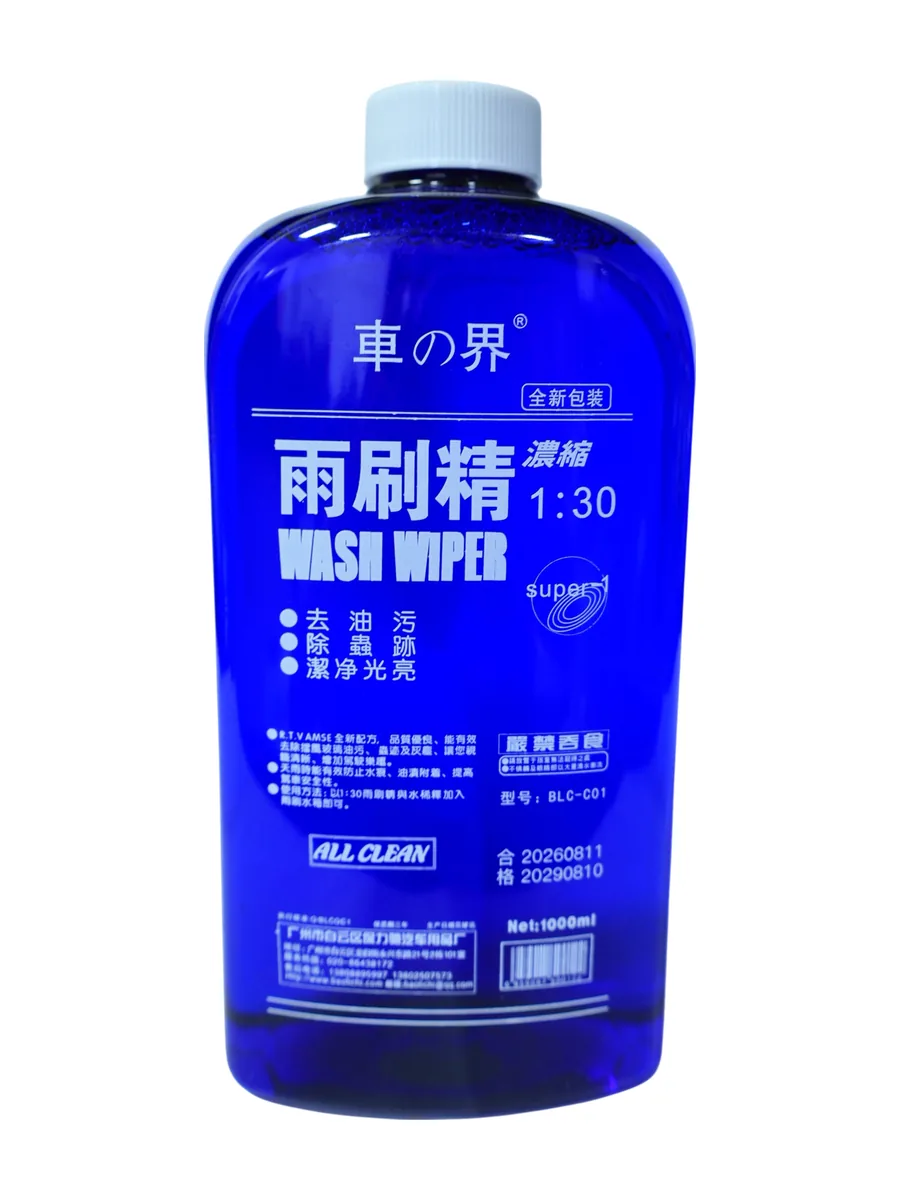
A balanced import program for an auto-parts distributor typically spans six families, and each behaves differently in a box — different densities, different pack sizes, different handling rules — so the plan has to treat them as a portfolio rather than a list. Coolant is the anchor: it is the highest-turn, highest-volume line and it sets the freight baseline for everything else. Brake fluid is dense and small, so it slots into the gaps between coolant cartons. AdBlue is a heavy, water-based liquid and rides low in the box. Washer fluid is light and bulky and fills the upper tiers. Gear oil and manual-transmission fluid sit at mid-density and mid-volume. Workshop cleaners and sprays are the wildcard: most are general cargo, but aerosols are regulated and must be separated.
| Product family | Lead pack size | Approx. cartons / 40HC | Weight share | Loading note |
|---|---|---|---|---|
| Engine coolant | 4 L jug / 9 KG pail | 800–1,100 | ~45% | Anchor line; palletise tight, load first |
| Brake fluid (DOT3 / DOT4) | 0.5–1 L bottle | 400–600 | ~12% | Dense; slot into coolant gaps |
| AdBlue (DEF) | 10 L jug | 300–500 | ~20% | Heavy; keep low and centred |
| Windshield washer fluid | 1–4 L bottle | 500–800 | ~10% | Light; fill upper tiers |
| Gear / transmission oil | 1–4 L | 200–350 | ~8% | Mid-density; mix with coolant tier |
| Cleaners & sprays | 0.5–1 L / aerosol | 150–300 | ~5% | Aerosols separate; stock anywhere |
These are planning figures, not promises. Bottle shape, carton dimensions and your supplier's pallet pattern move the numbers by 10 to 20 percent, and gross-weight limits can cap a light, bulky mix before volume does. The point of the table is to show the shape of a balanced box: coolant carries both the weight and the volume, everything else fills the spaces coolant leaves behind, and the heavy water-based lines sit low while the light ones ride high. Minimum order quantities rise with pack size because filling, labelling and palletising a drum costs more to set up than a bottle run, so ask whether mixed-pack containers are permitted — one 40HC that carries 1 L, 4 L and 9 KG together usually beats three single-pack shipments.
Palletization and weight-distribution rules
- Load heavy and dense products low and toward the centre — AdBlue and drummed coolant belong on the floor tier, never stacked above lighter cartons.
- Keep the centre of gravity low and centred so the box handles and stacks without shifting; a lopsided load can damage cartons across a long sea voyage.
- Reserve a clear area for any regulated items such as aerosols, and keep them in a separate, clearly marked zone that meets the carrier's limited-quantity provisions.
- Use ISPM 15-compliant pallets and stretch-wrap every pallet so individual cartons cannot walk during transit; the wrap also shields labels from port humidity.
Mistakes that quietly cost money
- Chasing the lowest per-litre ex-works price and filling the box with one giant pack, then watching working capital freeze in stock that turns twice a year.
- Ignoring destination gross-weight limits: a light, bulky mix can still exceed the road or rail cap at arrival, forcing an expensive split or a re-handling fee.
- Leaving dead space because carton dimensions were not designed for the pallet — a few millimetres of mismatch per carton compounds into a whole missing pallet per box.
- Letting documentation lag the loading: a mixed box with one missing SDS or COA can be held at the destination port while the rest of the shipment clears.
Reading the quote: what mixed-container pricing should include
A 'mixed-container price' should be more than a per-litre number. Before you compare offers, ask what is actually inside the quote, because two quotes that look similar on paper can hide very different landed costs. The ex-works price is only the starting point; freight, handling, documentation and the cost of errors are where margins are won or lost on a consolidated shipment.
- Ex-works product price per pack, with the exact pack sizes and carton counts you agreed, not a rounded average.
- Origin terminal handling, documentation and the sealed-container loading fee, stated as a line item rather than bundled into a single opaque number.
- Freight to your destination port for the chosen container type, with the validity window clearly marked — freight moves, and a quote older than 30 days is a starting guess.
- Clarification of who supplies the load plan and the stamped weight certificate, because a carrier will not accept a box without a documented centre of gravity.
Pre-loading checklist
- 1Confirm the exact carton dimensions and pallet pattern for every SKU with your supplier before you commit volume.
- 2Run the mix through a load calculator — volume, weight and centre of gravity — and pick the 20ft, 40ft or 40HC that leaves the least dead space.
- 3Verify gross weight against the destination road and rail limit, not just the container's payload rating.
- 4Separate aerosols and any regulated items, and confirm the carrier accepts them under limited-quantity provisions.
- 5Collect the SDS for every formulation (available on request), the COA per production batch, and the TDS (ready to download) before the container is sealed.
- 6Lock label artwork, cap type and pallet pattern per SKU, then photograph the loaded pallets for your own arrival inspection.
Common questions from first-time importers
Most first orders stall on the same few points, so here are straight answers before you book space.
| Question | Answer |
|---|---|
| Can I mix hazardous and non-hazardous products in one box? | Generally yes for these fluids — most coolant, washer fluid, brake fluid and AdBlue travel as general cargo. Aerosols are the exception and need separate, limited-quantity handling. |
| What volume makes a mixed FCL worthwhile? | Roughly 60 to 70 percent of a container's volume. Below that, one or two LCL shipments are usually cheaper and faster to arrange. |
| Who designs the load plan? | Your supplier should provide carton and pallet data; a freight forwarder turns that into a stamped plan. Ask for it in writing before loading. |
| How do I protect quality on a long sea voyage? | Keep cartons on pallets off damp floors, avoid direct sun on the box at port, and confirm concentration or pH on arrival against the sealed reference sample. |
Request a mixed-container quote
Safety data sheets are available on request and product specification sheets (TDS) are ready to download. Tell us your target market and monthly volume and we will send a mixed-container load plan, measured specifications and pricing. Visit bolitch.com or email sale@bolitch.com.