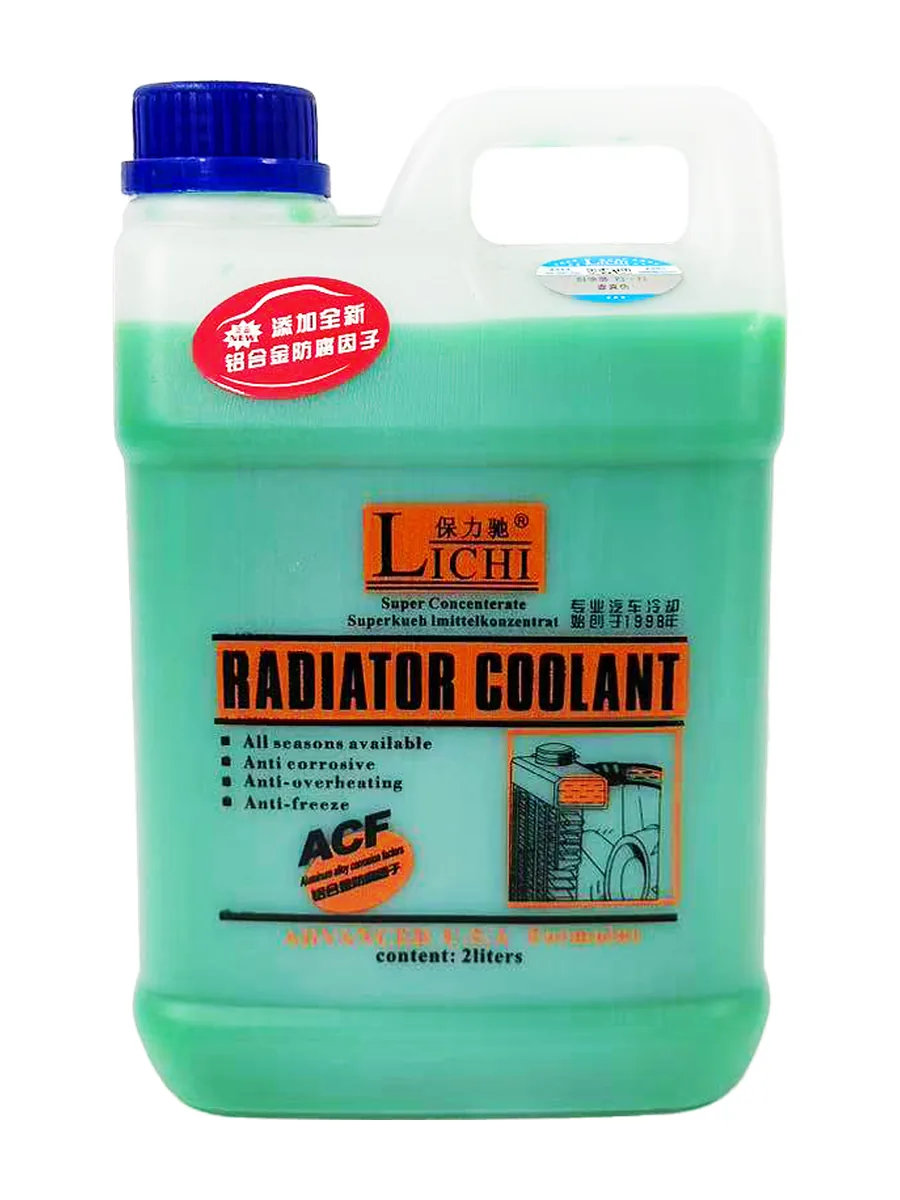
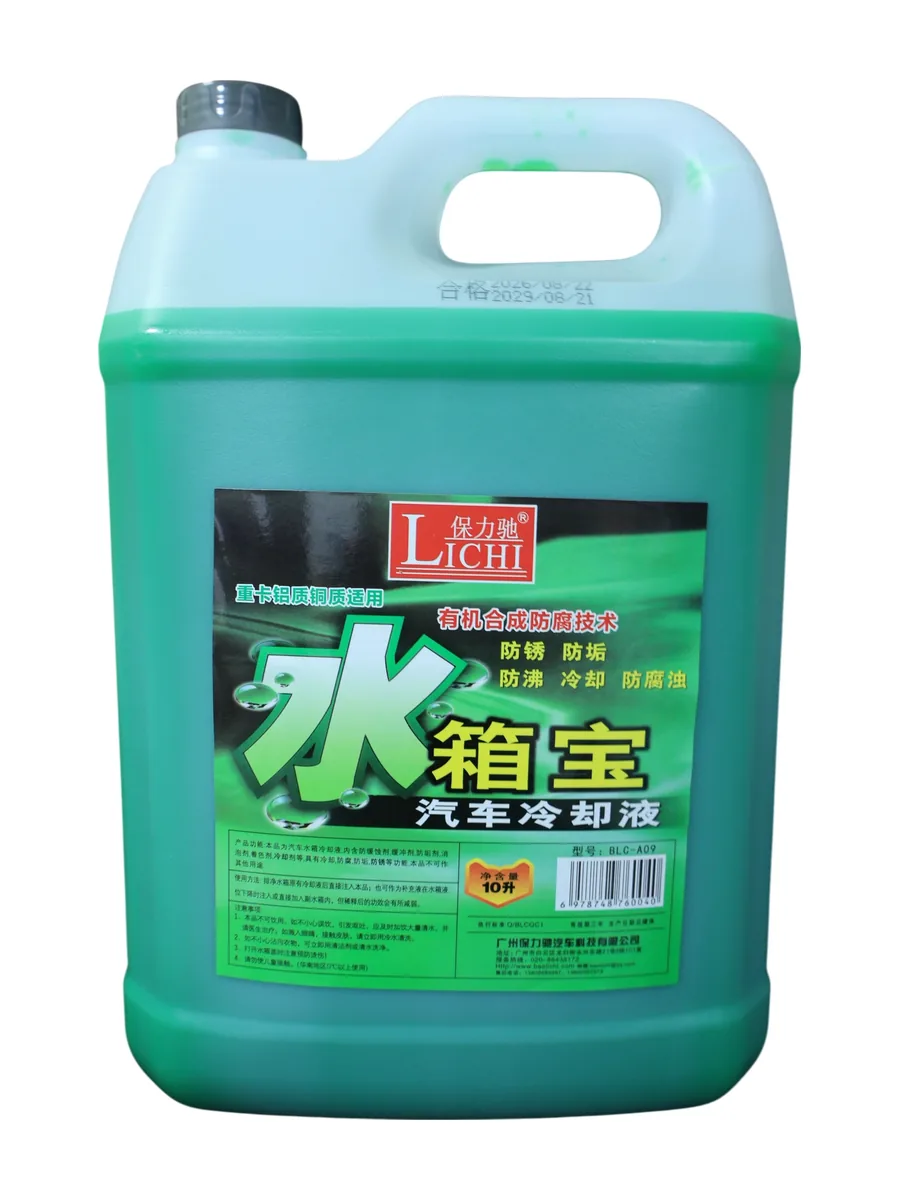
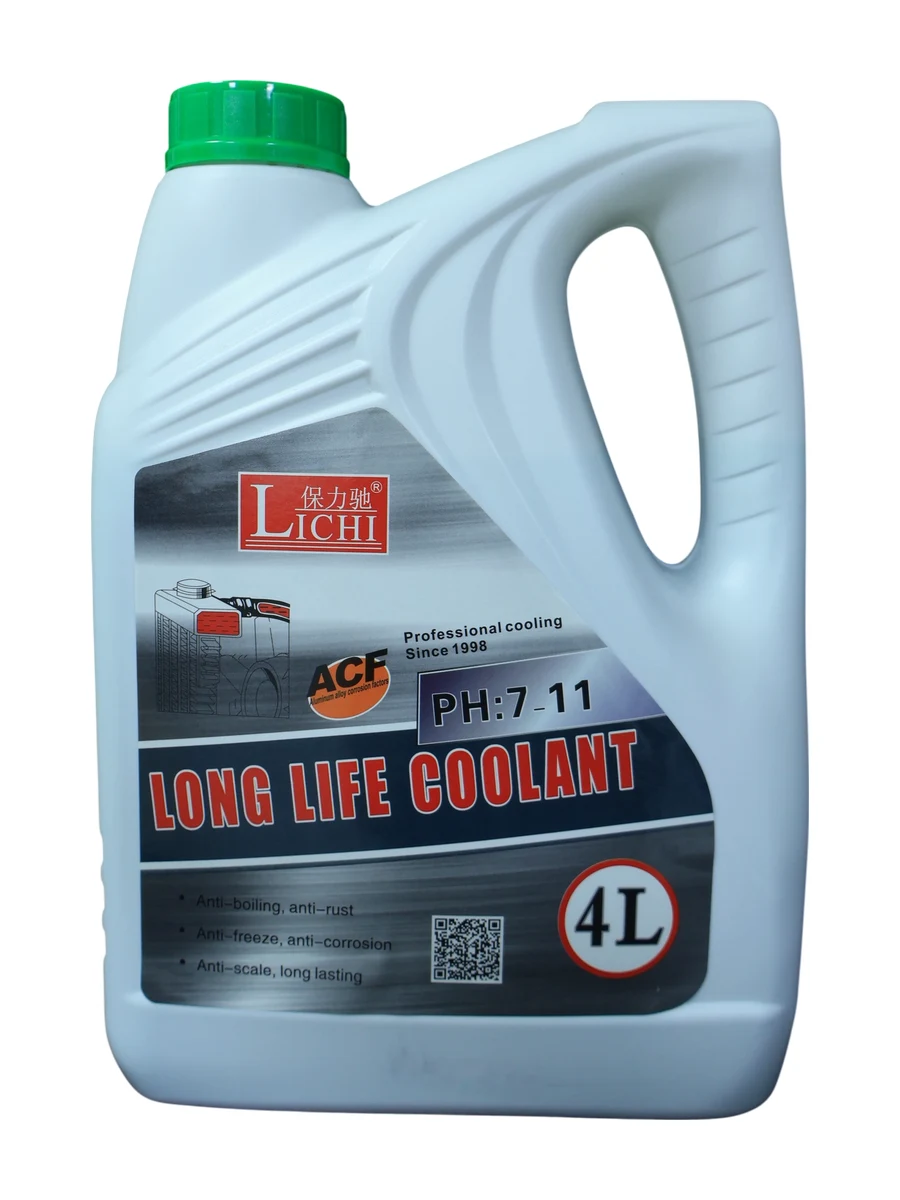
For an importer, distributor or fleet buyer, the coolant on the pallet is only as good as what is actually inside the bottle. In markets where price pressure is fierce, a handful of suppliers cut corners in ways that are almost impossible to see at a glance: they sell coloured water as engine coolant, or they ship a concentrate so over-diluted with tap water that it no longer protects the engine, or they blend a glycol-free 'coolant' that looks the part on the shelf but fails the moment temperatures swing. The damage from a fake batch shows up late — cavitation pitting on the water pump, aluminium corrosion in the heater core, an overheated engine on a hot afternoon — long after the invoice is paid and the container has cleared the port. By then the cost is no longer a drum of bad liquid; it is a warranty claim, a lost fleet contract and a reputation you spent years building. The good news is that you do not need a chemistry laboratory to separate genuine coolant from a fake. A pocket conductivity pen, a pH strip and a freezer-test sample answer most questions in minutes, usually for less than the cost of a single rejected drum. These tools turn a subjective 'it looks fine' into a number you can write on the delivery note and argue from. This guide walks through what 'fake coolant' actually means in practice, why conductivity is the single fastest tell, where fakes tend to appear, and the exact steps a buyer, workshop or quality inspector can run before accepting a shipment.
What 'fake coolant' usually means
In practice, three patterns account for almost every bad batch a buyer ever meets. Knowing which one you are facing tells you which test to run first, and how seriously to treat the result. None of the three announces itself on the label, which is precisely why a field test matters: a convincing bottle and a convincing story can both be wrong, and only the sample in the cup tells you the truth before the stock reaches a customer's engine.
| Pattern | What it actually is | Fastest first check |
|---|---|---|
| Dyed water sold as coolant | Tap or well water with a dye added so it looks like coolant, but with no glycol and no inhibitor package | Conductivity pen: reads like water, not like coolant |
| Over-diluted concentrate | Genuine concentrate cut with too much tap water, so freeze protection and corrosion inhibitors fall below the label claim | Refractometer / freeze-point test: protection far weaker than stated |
| Glycol-free 'coolant' | A coloured aqueous mix with no ethylene or propylene glycol at all — it has neither freeze protection nor the heat-transfer margin of real coolant | Conductivity + boiling point: behaves like water, not a glycol mix |
Why a conductivity pen is the fastest field test
Pure deionised water has almost no electrical conductivity. The moment you add the salts, organic acids and inhibitor package that make engine coolant work, conductivity climbs sharply, because those dissolved species carry current. Tap water used to dilute a fake sits somewhere in between. A conductivity pen — the same inexpensive pocket tool used by hydroponics growers and aquarium keepers — reads this value in seconds and costs a fraction of a laboratory visit. It will not tell you the exact inhibitor chemistry or whether the formula is OAT or IAT, but it will immediately reveal whether a sample is essentially water, essentially glycol, or something in between, which is exactly the question when you suspect a fake. For a buyer standing at a container door, that single number is worth more than a supplier's reassurance. Two practical notes make the reading trustworthy: temperature matters, so test at a stable room temperature and compare like with like, and always rinse the probe with the sample first so a trace of tap water from the last job does not drag the number down. A pen that reads to 0 is not 'clean coolant' — it is the absence of everything that makes coolant work.
| Sample type | Typical conductivity | What it tells you |
|---|---|---|
| Deionised / distilled water | < 5 µS/cm | The baseline — no dissolved species |
| Tap or well water | 50–800 µS/cm | What a 'dyed water' fake looks like |
| Dyed water sold as coolant (fake) | 50–800 µS/cm | Coloured, but electrically just water |
| Genuine ready-to-use coolant | 2,000–8,000 µS/cm | Real inhibitor-laden formulation |
| Genuine concentrated coolant | 10,000–30,000+ µS/cm | Concentrate — confirm it was diluted to label |
The 3-minute test, step by step
You do not need training to run this. Anyone in a receiving bay can do it between unloading pallets, and the whole procedure takes about three minutes per sample.
- 1Shake the bottle well, then pour a small sample into a clean, dry cup — rinse the cup with the product first so no residual water skews the reading.
- 2Rinse the conductivity pen with the sample, then take a stable reading at room temperature; note the unit (µS/cm or mS/cm) and convert if needed (1 mS/cm = 1,000 µS/cm).
- 3Compare the number to the reference table above and record it against the batch code on the bottle.
- 4Run a pH strip on the same sample; genuine coolant reads alkaline (roughly pH 7.5–11 because of its inhibitor package), while dyed tap water sits near neutral 7.
- 5If you have a refractometer, confirm the freeze point; genuine coolant shows a real glycol curve, not zero protection.
Reading the numbers
A reading under a few hundred µS/cm on a sample sold as ready-to-use coolant is the single clearest red flag: it means you are holding coloured water with almost no inhibitor package and no glycol. A reading in the low thousands confirms a real, inhibitor-laden formulation. Extremely high readings in the tens of thousands usually mean you are testing concentrate, which is perfectly fine provided you then verify it was diluted to the labelled freeze grade before sale. The discipline that matters is consistency: the number should match what the label and the batch documentation claim, shipment after shipment, because a real blender holds conductivity steady within a tight band while a faker's numbers wander every time. One common trap is a 'concentrate' that was never meant to be sold as ready-to-use but is — if the label says -25°C protection yet the conductivity and the refractometer both say 'weak', someone diluted it past the safe limit and the freeze protection on the shelf is a fiction. Another trap is temperature drift: a warm sample reads higher than a cold one, so if your reading looks borderline, retest at a consistent temperature before you reject, and keep the pen calibrated against a known reference solution so your own instrument is not the variable in the dispute.
| Conductivity reading | Interpretation | Action |
|---|---|---|
| < 100 µS/cm | Essentially pure water — no glycol, no inhibitors | Reject as coolant |
| 100–1,000 µS/cm and coloured | Dyed-water fake | Reject and lodge a claim |
| 2,000–8,000 µS/cm | Genuine ready-to-use coolant range | Pass, then confirm pH and freeze point |
| > 10,000 µS/cm | Concentrate — correct only if diluted to label | Confirm dilution ratio before sale |
Cross-checks that confirm the verdict
Conductivity is the fastest screen, but two or three cheap cross-checks remove almost all doubt. Run them whenever a reading is ambiguous or a shipment is large. The logic is layered: conductivity tells you whether there is any chemistry in the bottle, pH tells you whether that chemistry is the protective alkaline kind, the freeze-point test tells you whether the glycol level matches the claim, and the documents tell you whether the batch in front of you is the same batch the paperwork describes. One weak link is worth a second look; two weak links is a rejection.
- pH strip: genuine coolant is alkaline because of its inhibitor package; a neutral sample at pH ~7 carries no corrosion protection.
- Freeze-point / refractometer: a real glycol mix shows the labelled protection (for example -15°C, -25°C or -37°C); zero protection means you are holding water.
- Visual inspection: genuine coolant is dyed but clear; cloudiness, separation or floating sediment suggests contamination or a bad blend.
- Boiling point (laboratory): genuine coolant boils in the 101–110°C band depending on its freeze grade, and rises further under the cooling system's pressure cap, while plain water tops out at 100°C.
- Documentation: request the batch certificate of analysis (COA) and the safety data sheet (available on request) and the technical data sheet (TDS, ready to download), then check that the measured values match your sample.
What to do when a batch fails
A procurement checklist to keep fakes off your shelf
The cheapest fake is the one you never accept. Build these five steps into your purchasing routine so a bad batch is caught at the dock, not in a customer's engine. None of them requires specialist staff or capital spend; the pen and strips cost pocket change, the reference sample costs nothing but discipline, and the contract language costs a few extra lines that pay for themselves the first time a supplier knows you are watching. A buyer who tests is a buyer suppliers stop trying to shortcut.
- 1Write acceptance values — conductivity band, pH range, freeze point and reserve alkalinity — into the purchase contract, not just the word 'coolant'.
- 2Require a batch COA plus the safety data sheet (on request) and the technical data sheet (ready to download) before the container is sealed.
- 3On arrival, pull one random carton per batch and run the 3-minute conductivity and pH check against the COA before stock goes to the shelf.
- 4Keep a sealed reference sample from every batch so any dispute can be settled with a side-by-side test rather than a war of emails.
- 5Audit the supplier's blend and batch records periodically; tight, consistent conductivity from batch to batch is the best proof of a real formulation.
| Parameter | Typical genuine value | Your acceptance limit |
|---|---|---|
| Conductivity (ready-to-use) | 2,000–8,000 µS/cm | Within the supplier's stated band |
| pH | 7.5–11.0 | Within band; reject near-neutral 7 |
| Freeze point | Matches label (-15 / -25 / -37°C) | ± 2°C of the labelled grade |
| Reserve alkalinity | ≥ 10 mL (varies by formula) | Confirm per formula |
| Appearance | Clear, dyed, no separation | No cloudiness or sediment |
Why catching fakes protects your brand, not just your engines
It is tempting to treat a bad batch as a narrow quality problem — one drum, one return, one awkward email. In practice the downside is wider. When a distributor's private-label coolant lets a customer's engine overheat, the customer does not blame the invisible sub-supplier; they blame the name on the bottle, which is yours. Fleet operators track which brand kept their trucks on the road, and a single summer of unexplained failures rewrites that trust. Worse, the failure is rarely isolated: a faker who watered down one batch usually watered down the last ten, so the cost lands as a recall across everything you shipped under that label, not a single line item. Running a three-minute check at the dock is therefore not bureaucracy — it is the cheapest insurance you have against turning a procurement saving into a brand liability. The buyers who win export markets long term are not the ones who sourced the cheapest litre; they are the ones whose litre was the same, verified, batch after batch.
Where fake or watered-down coolant tends to show up
Fake coolant is not random; it clusters in predictable places, which makes it easier to watch for. The patterns below are where buyers most often get burned, and each points to a specific check you should already be running.
- Distress-price markets: when a quote is dramatically below the going ex-works rate for the region, ask what was removed to get there — water is the easiest thing to add.
- Unbranded or suddenly rebranded drums: a supplier with no track record or a new 'house brand' every few months is harder to hold accountable than one with a stable label and batch history.
- Concentrate sold as ready-to-use: a -25°C claim on a bottle that tests weak betrays over-dilution; this is the most common fake because it needs no special equipment to perpetrate, only a hose.
- Mixed or 'mystery' origin shipments: when the COA does not name the actual blending site, or the values wander between batches from the same seller, treat the documentation itself as suspect.
- Markets with weak port inspection: where customs rarely tests imported fluids, the incentive to cut corners rises, so your own arrival check becomes the only control left.
Frequently asked questions
| Question | Short answer |
|---|---|
| Can a conductivity pen alone prove a coolant is genuine? | No — it proves the sample is not plain water and roughly how much inhibitor it carries. Pair it with pH and a freeze-point check for a confident verdict. |
| Do I need a laboratory to test every shipment? | Not every one. Use the pen at the dock for 100 percent of batches, and send one sample per quarter to a lab for a full COA cross-check. |
| What if the reading is borderline? | Retest at a consistent room temperature with a calibrated pen against a known reference solution before rejecting; borderline usually means temperature or calibration, not fraud. |
| Is dyed water dangerous or just ineffective? | Both — it offers zero corrosion protection and zero freeze protection, so it accelerates pump and aluminium damage while pretending to be coolant. |
Request coolant samples and COA
Safety data sheets are available on request and product specification sheets (TDS) are ready to download. Ask for a batch COA with measured conductivity, pH and freeze point, and we will send reference samples you can test yourself on arrival. Visit bolitch.com or email sale@bolitch.com.