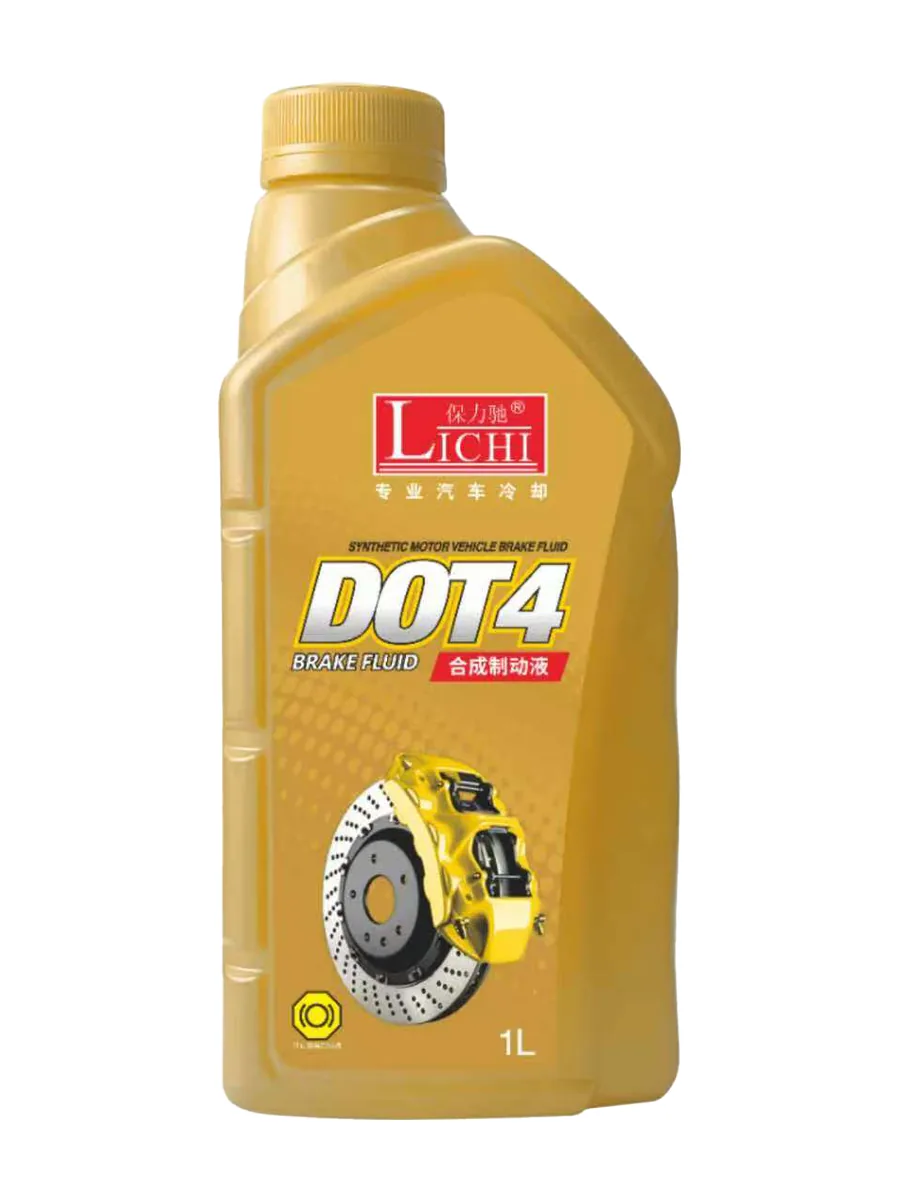
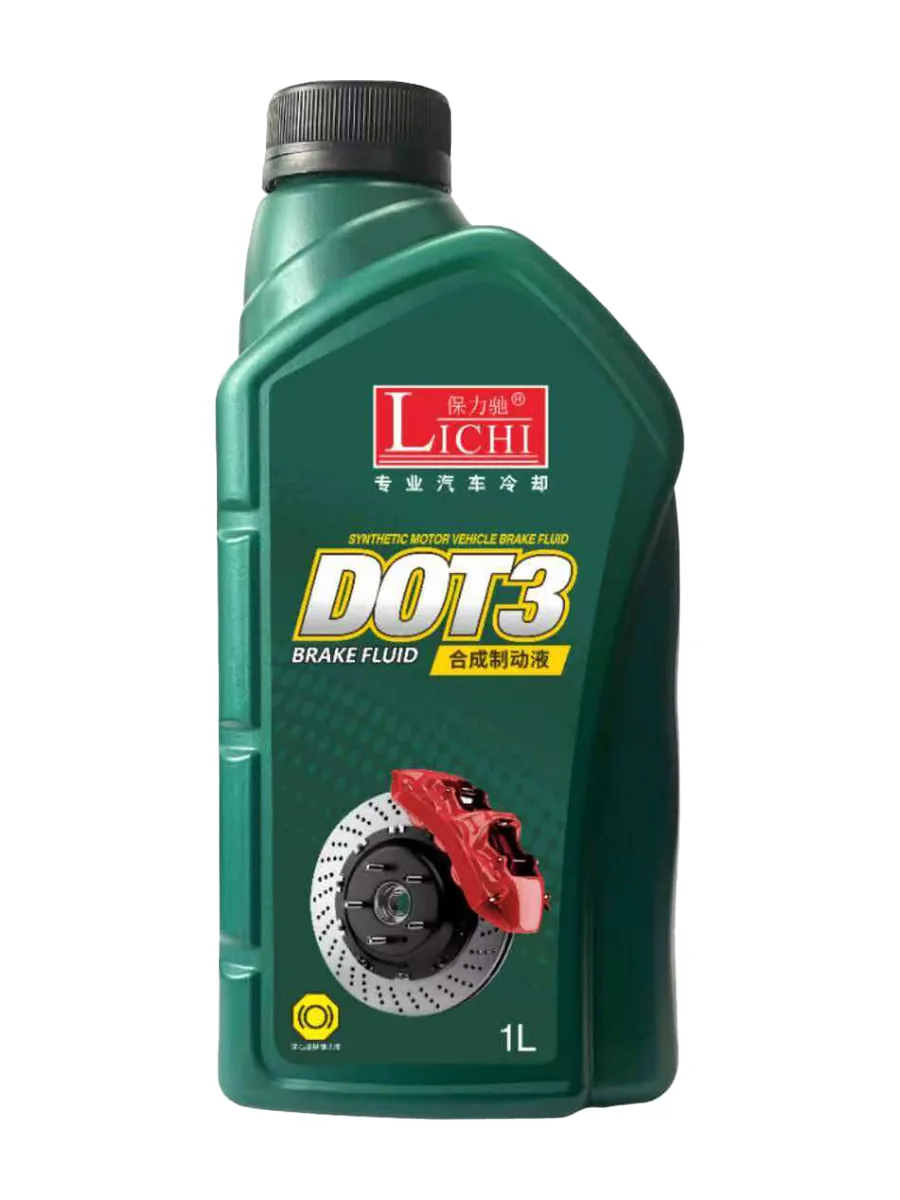
Brake fluid is the one automotive fluid whose failure is invisible right up until the moment it is dangerous. Coolant turns brown, oil gets sludgy, tyres show wear — but glycol-ether brake fluid simply absorbs water, molecule by molecule, through the rubber hoses and the reservoir cap, and the only sign is a boiling point that has quietly fallen by the time the pedal goes soft on a long descent. You cannot see that, you cannot taste it, and you cannot judge it by colour. The only way to know whether the fluid in the caliper still protects the driver is to measure it. That is what a brake fluid tester is for, and there are two kinds, built on completely different principles, that answer two different questions. This guide explains both, gives the real-world numbers behind each, and helps a workshop owner, a fleet manager or an importer decide which tool belongs in the bay and which belongs in the incoming-inspection routine.
Why you cannot judge brake fluid by eye
Glycol-ether brake fluid is hygroscopic by design: the same chemistry that lets it tolerate heat and pressure also pulls moisture out of the air. A sealed, fresh bottle sits at its rated dry boiling point. Two years later, in a humid coastal market, that same fluid can be holding two to three percent water and its effective boiling point has dropped by tens of degrees. None of that changes the colour, the smell or the feel. Pour it into a clear cup and it still looks like brake fluid, because chemically it still is — just a weaker version of itself. This is why a calendar-based interval, change it every two years, is a reasonable default but a poor guarantee: in Lagos or Karachi the same two years does more damage than in a dry inland city, and a vehicle that has sat unused absorbs water differently from one driven daily. Testing replaces the guess with a number.
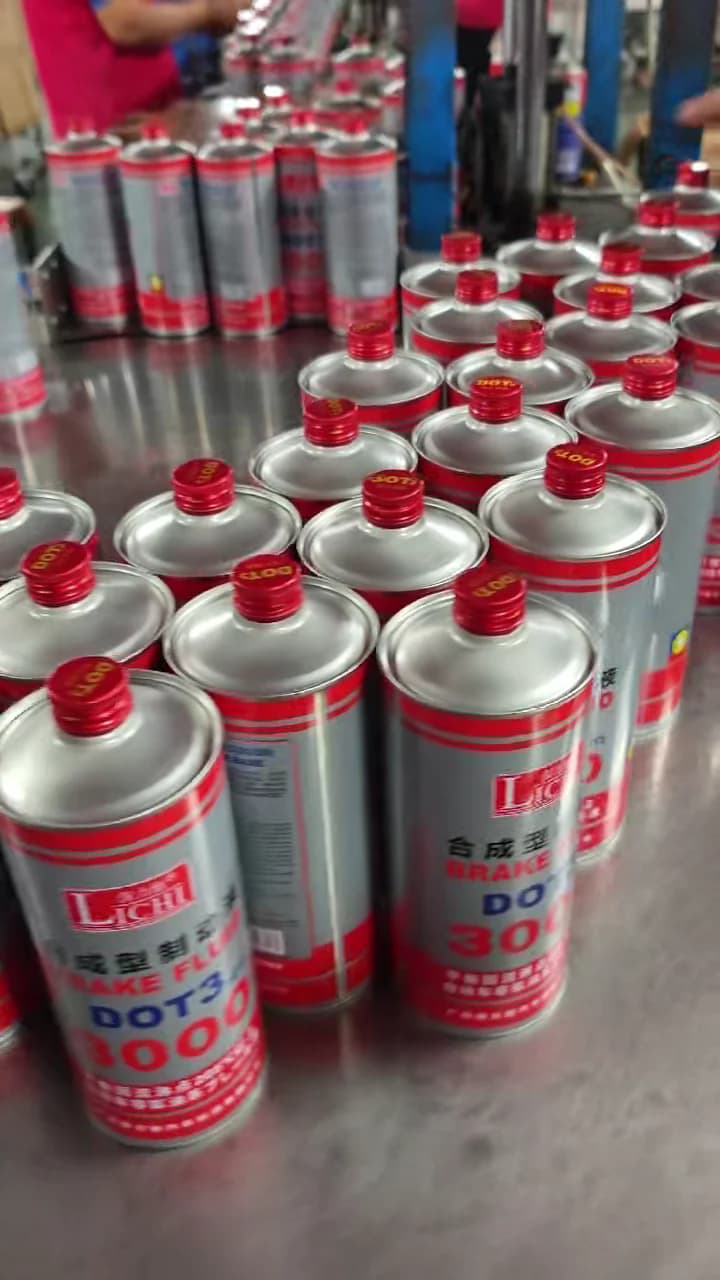
The two tools, and what each actually measures
There are fundamentally two instruments a buyer or workshop will meet. The first is a moisture test pen — a pocket device, often no bigger than a tyre-pressure gauge, that you dip into the reservoir or a sample and that reports water content, usually as a percentage or as a colour-coded pass, warn, fail band. It works by measuring the electrical conductivity of the fluid: water raises conductivity, so more water means a higher reading. The second is a boiling-point tester — a small heated cup, sometimes battery powered, that takes a few millilitres of fluid, heats it and reports the temperature at which it actually boils. That number is the wet boiling point, the figure that determines whether the fluid will vapour-lock under load. One tool infers condition from a proxy, water percentage; the other measures the consequence directly, the boiling point. Both are useful, and both belong in the trade — they are simply not interchangeable.
| Attribute | Moisture test pen | Boiling-point tester |
|---|---|---|
| Principle | Measures electrical conductivity of the sample | Heats a measured sample to its boiling point |
| What it reports | Water content, % (or pass / warn / fail band) | Actual boiling point, °C |
| Typical price | US$8–40 | US$60–250 |
| Time per test | 5–15 seconds | 2–5 minutes |
| Best for | Quick counter checks, walk-in customers | Fleet intake, batch verification, disputes |
| Limitation | Reads water only; wrong-type or contaminated fluid can mislead | Slower, needs power and a clean sample cup |
Moisture test pen: cheap, fast, good enough for the counter
The pen is the workhorse of the retail side of the business. It costs less than a single brake-bleed job, fits in a pocket, and gives a reading while the customer is still standing at the counter. For a workshop that wants to upsell a fluid change, or a parts shop that wants to show a walk-in customer why two-year-old fluid should come out, the pen is perfect: it turns an abstract recommendation into a visible number on a screen. Most pens report either a percentage or a three-band light — green for fresh, under roughly 2 percent, yellow for caution, around 2–3 percent, and red for change now, above 3 percent. The thresholds are approximate and vary by brand, but the direction of the signal is reliable: rising water content means falling boiling point, and that is the thing you are really trying to catch. The pen's weakness is that it measures water, not the fluid's total condition. A fluid that has also degraded through heat or contamination may still show a misleading water figure, and an old or poorly calibrated pen drifts, so treat the reading as a screen rather than a verdict.
- Walk-in customers at a parts counter who want a 30-second answer
- Routine workshop upsell during a service or tyre rotation
- First-pass screening across many vehicles where speed matters more than a lab-grade number
- Training junior staff to recognise when fluid is due, without specialist equipment
Boiling-point tester: the number that decides safety
The boiling-point tester answers the only question that matters for safety: at what temperature will this fluid turn to vapour under my brake load? Because vapour compresses where liquid does not, the moment any part of the fluid column boils, the pedal travel climbs and pressure stops building. A boiling-point tester measures that threshold directly, in the fluid as it actually sits in the system, so it captures not just water but every other factor that has lowered the margin. For a fleet running loaded trucks down mountain passes, or an operator in a 40°C coastal city, that direct measurement is worth the extra cost and time. It is also the right instrument for a dispute: when a supplier's data sheet claims a 155°C wet boiling point and your sample boils at 150°C after a season in a humid store, the tester is the independent witness. Where the pen infers, the boiling-point tester observes.
- Fleets and heavy-vehicle operators where a single fade event risks cargo, passengers or a contract
- Incoming inspection at an importer's warehouse, to verify each batch against its data sheet
- Warranty or quality disputes where you need a measured, defensible number
- Hot, humid markets where the wet boiling point falls fastest and the margin is thinnest
The thresholds that actually trigger a change
The numbers below are the defined minimums for each grade and the approximate boiling point once water has built up. Treat them as planning guides, and always confirm against the specification sheet your supplier provides with the batch.
| Grade | Dry boiling point (min) | Wet boiling point (new, min) | Wet boiling point at ~3% water (approx) | Replace when |
|---|---|---|---|---|
| DOT 3 | 205 °C | 140 °C | ~120–130 °C | Water > 3% or wet BP near 140 °C |
| DOT 4 | 230 °C | 155 °C | ~140–150 °C | Water > 3% or wet BP near 155 °C |
| DOT 5.1 | 260 °C | 180 °C | ~165–175 °C | Water > 3% or wet BP near 180 °C |
Workshop, fleet or importer — who buys which
The right tool depends less on the fluid than on how many vehicles you touch and what a mistake costs you.
- 1Workshop or parts counter: keep a moisture pen per bay. It is cheap enough to leave one within arm's reach, fast enough to use on every service, and convincing enough to turn a 'maybe later' into a same-day fluid change. Keep a boiling-point tester in the back for the occasional dispute or for performance customers who want the real number.
- 2Fleet maintenance: invest in a boiling-point tester as the primary instrument, with pens for quick checks. A fleet's downtime and liability dwarf the tool cost, so measuring the actual boiling point on intake and at service intervals is the disciplined choice — test a sample from each incoming drum and from vehicles on a fixed schedule rather than trusting the calendar.
- 3Importer or distributor: specify testing in the contract and verify on arrival. Require both dry and wet boiling-point data per batch from the supplier, run your own boiling-point check on a random carton at the dock, and use the result to educate your downstream workshops. You are not just buying fluid; you are buying a consistent, verifiable number, shipment after shipment.
Mistakes that make the reading worthless
Even a good tool returns a bad answer if the process is wrong. The failures below account for most of the 'the tester said it was fine' stories that end in a warranty claim.
- Testing fluid scooped from an already-open jug that has been breathing humid air for weeks — you are measuring the jug, not the vehicle
- Not rinsing the probe with the sample first, leaving tap water or a previous fluid on the tip
- Ignoring temperature: a warm sample reads differently from a cold one, so test at a stable room temperature
- Trusting a pen on fluid that is the wrong type or visibly contaminated — conductivity only tells you about water
- Never calibrating the pen against a reference solution, so drift goes unnoticed until a failure exposes it
For importers: what to ask your supplier about testing
A tester protects you on the way out; the right questions protect you on the way in. Build these into the purchase order so the number you measure matches the number you were sold.
- Request both dry and wet boiling-point data per batch — not just the dry figure copied from the standard
- Ask which specification the fluid is made to (the one that defines glycol-ether brake fluid grades) and request the test method used
- Require a safety data sheet (available on request) and a technical data sheet (ready to download) with every lot
- Demand batch traceability so a reading you take on arrival maps back to the exact drum that was blended
- Agree an acceptance limit in the contract — for example, reject any batch whose measured wet boiling point falls below the grade minimum
Request brake fluid specifications and samples
BOLITCH manufactures DOT 3 and DOT 4 brake fluid with measured wet boiling points for tropical and hot-climate markets. Safety data sheets are available on request and product specification sheets (TDS) are ready to download. Ask for batch boiling-point data and reference samples you can verify with your own tester on arrival. Visit bolitch.com or email sale@bolitch.com.